
Is It Ever Too Late to Get Braces as an Adult?
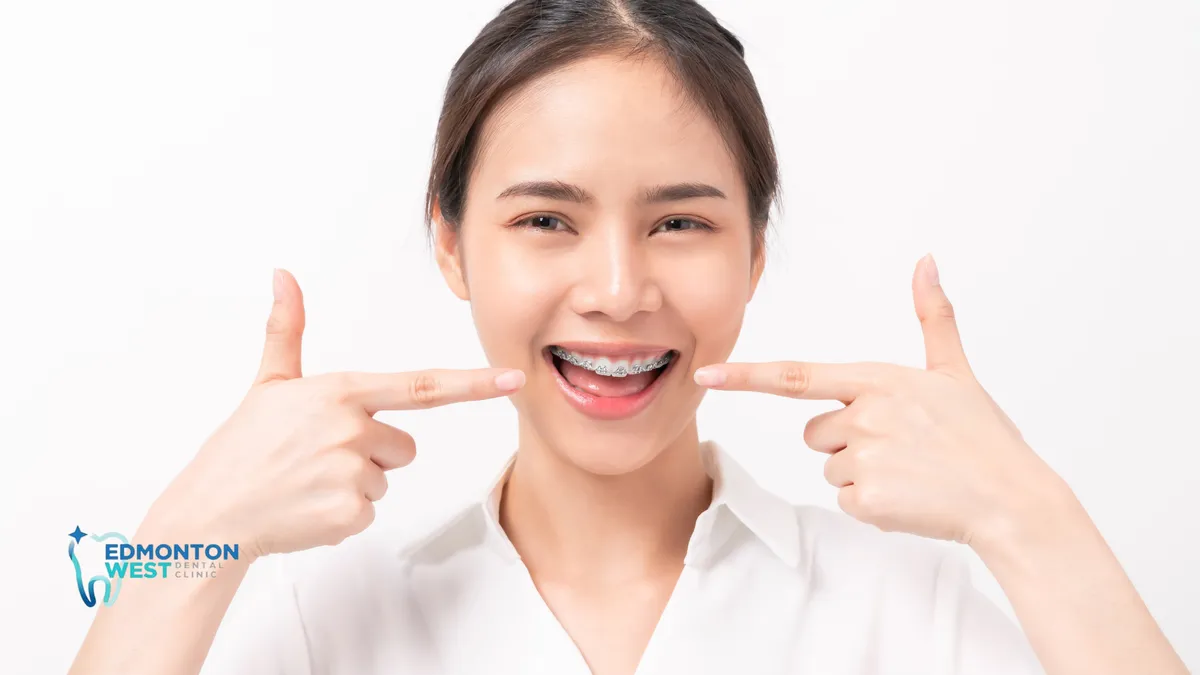
There’s a common misconception that braces are only for teenagers, but your journey to a straighter smile can begin at any age. If you’ve been wondering whether it’s possible to pursue orthodontic treatment now, you’re not alone. Many adults are seeking options to enhance their dental aesthetics and improve oral health. In fact, you might find valuable insights on this topic [here](https://www.webmd.com/healthy-aging/is-it-too-late-to-straighten-your-teeth) about whether it’s too late to straighten your teeth as an older adult. Let’s explore your options and considerations for getting braces as an adult.
Key Takeaways:
- Age is Not a Barrier: It’s never too late for adults to seek orthodontic treatment; many find improved dental health and aesthetics regardless of their age.
- Consultation is Key: A professional evaluation can help adults determine the best type of braces for their needs, whether traditional metal braces, clear aligners, or other options.
- Long-Term Benefits: Investing in braces can lead to significant improvements in oral health, confidence, and overall quality of life for adults.
The Benefits of Getting Braces as an Adult
A decision to get braces as an adult can vastly improve your quality of life. Not only can braces enhance your smile, but they can also fix functional issues, leading to better overall oral health. Many adults discover that this investment enhances their confidence and self-esteem, making it a worthwhile choice in their personal and professional lives. (It’s imperative to consult with an orthodontist to explore which treatment option suits you best.)
Improved Oral Health
Below the surface, correcting misaligned teeth can significantly enhance your oral health. Braces align your teeth, making it easier to clean them properly, which reduces the risk of cavities and gum disease. In addition, a proper bite can prevent excessive wear and tear on your teeth and jaw, leading to long-term dental benefits beyond just aesthetics.
Enhanced Aesthetic Appeal
By opting for braces as an adult, you can achieve a more attractive smile that reflects your personality and boosts your confidence. An improved smile not only enhances your appearance but can also impact the way others perceive you, potentially opening doors in both personal and professional spheres.
Even small adjustments in your smile can make a significant difference in how you feel about yourself. Many adults find that straightening their teeth leads to a newfound confidence in social interactions, job interviews, and public speaking. Embracing this transformative experience can help you present the best version of yourself to the world.
Factors to Consider Before Getting Braces
There’s a variety of factors to think about before committing to braces as an adult. These considerations can significantly influence your orthodontic journey:
- Your financial situation
- The time commitment required for treatment
- Potential discomfort and lifestyle changes
- Your long-term oral health goals
Recognizing these factors can help you make an informed decision about your orthodontic treatment.
Age and Bone Health
Beside your age, bone health plays an important role in determining your ability to get braces. Adult bones are typically denser than children’s, which can affect how your teeth will respond to movement. Discussing your bone health with your orthodontist is important for predicting the effectiveness and duration of treatment.
Severity of Dental Issues
Factors such as crowding, spacing, or misalignment of your teeth must be evaluated. This assessment not only helps determine the type of braces you might need but also if braces are the best solution (consulting your orthodontist will provide clarity on whether braces will effectively address your unique situation).
Understanding the severity of dental issues is vital in deciding the best course of action. Less severe cases may require simpler treatments like Invisalign, while more complex situations could necessitate traditional braces. When considering your options, think about the long-term benefits versus the short-term challenges (a professional consultation can guide you toward the most suitable treatment).
Types of Braces for Adults
To determine the best braces for your needs, you should explore various options available for adults. Here’s a breakdown of popular types:
| Type of Braces | Description |
| Traditional Metal Braces | Classic option with metal brackets and wires. |
| Ceramic Braces | Less visible option using tooth-colored materials. |
| Lingual Braces | Placed on the back of the teeth for hidden treatment. |
| Clear Aligners | Custom-made, removable trays for gradual teeth movement. |
| Self-Ligating Braces | Utilizes a specialized clip instead of elastic bands. |
This variety allows you to choose a treatment that fits your lifestyle and aesthetic preferences. For more insights, check out Is It Too Late to Have Braces as an Adult?.
Traditional Metal Braces
Between effectiveness and visibility, traditional metal braces are an excellent choice for many adults looking to improve their smile. They utilize metal brackets and wires to shift your teeth into desired positions. (Choosing the right type of braces may influence your treatment experience.)
Clear Aligners
Across many orthodontic practices, clear aligners have gained popularity due to their discreet nature and convenience. They are removable trays designed to gradually move your teeth without the need for brackets and wires.
Hence, clear aligners offer a comfortable option for adults. You can easily remove them for eating and oral hygiene, making them a practical choice for busy professionals or socially active individuals. Make sure to discuss this option with your orthodontist to see if it’s suitable for your specific needs.
The Treatment Process
Despite the perception that braces are primarily for children and teenagers, the treatment process for adults is very similar. You will undergo a comprehensive examination that includes your dental history, X-rays, and possibly, dental impressions. This allows your orthodontist to develop a customized plan tailored to your specific needs. You can feel confident in knowing that age does not hinder the effectiveness of orthodontic treatment—the goal is to achieve the best possible smile for you.
Initial Consultation
Any effective treatment begins with your initial consultation. During this appointment, you will discuss your concerns and goals with your orthodontist. They’ll perform an assessment to determine if braces are the right choice for you at this stage and recommend the best type of braces to match your objectives (this decision will greatly influence your journey toward a straighter smile).
Treatment Duration
By establishing your personalized treatment plan, you will have an estimate of how long you will need to wear braces. Treatment duration varies based on factors such as the complexity of your case and the type of braces selected. Typically, you can expect to wear braces for anywhere between 12 to 24 months.
Consultation with your orthodontist will provide insights into your unique situation, allowing them to give a more precise timeline. Remember that compliance with appointments and following their care instructions can help achieve desired results in the specified time frame. Adherence to these guidelines can lead you to a faster, more successful transformation.
Cost Considerations
Once again, the cost of adult braces is a significant factor in your decision-making process. While you may have concerns about whether braces fit into your budget, exploring various options can help you manage the expenses related to orthodontic treatment effectively.
Average Cost of Adult Braces
Against the backdrop of dental care expenses, the average cost of adult braces typically ranges from $3,000 to $7,000, depending on the complexity of your case and the type of braces chosen. (Determining your budget is important before beginning your orthodontic journey.)
Insurance and Financing Options
For many adults, orthodontic insurance coverage and financing plans can significantly alleviate the financial burden of braces. Investigating whether your insurance plan includes orthodontic benefits can offer considerable savings. (Exploring these options is wise to find the best strategies for managing your costs.)
Even with the availability of insurance and financing options, it’s important to assess your personal financial situation when considering braces. Many orthodontists offer payment plans or financing through third-party services, making it easier for you to fit the cost into your budget. (Finding a solution that works for your finances can help you achieve the smile you desire.)
Post-Treatment Care
All successful orthodontic treatments require a commitment to post-treatment care to maintain your beautiful smile. This involves consistently wearing your retainers as prescribed and attending regular follow-up appointments to ensure that your teeth remain in their new positions. (You’ll want to prioritize these check-ups to adjust for any changes.)
Retainers and Maintenance
An imperative part of your post-braces journey is wearing retainers to prevent your teeth from shifting back. Your orthodontist will provide specific instructions on how long and when to wear them, which can vary based on individual needs. (Wearing your retainers as directed is a decision that significantly impacts your long-term results.)
Long-Term Oral Hygiene
Maintenance of your oral hygiene is vital after getting your braces off. This means committing to a rigorous dental care routine, including regular brushing and flossing, to keep your teeth and gums healthy. (Scheduling regular dental check-ups will help ensure your oral health remains in top condition.)
This proactive approach to long-term oral hygiene will not only preserve your orthodontic results but also promote overall dental health. Staying mindful of your diet and avoiding sugary foods can further protect your newly aligned teeth. (Investing in good oral hygiene practices today pays off in the long run.)
To wrap up
Drawing together the key points, it’s clear that it is never too late for you to seek orthodontic treatment. Adult braces can improve not only the appearance of your smile but also your oral health. If you’ve been contemplating braces, it’s worthwhile to explore your options. Your age should not deter you from achieving the smile you’ve always wanted. For more insights on this topic, check out It’s Never Too Late for Adults to Get Braces!.