
Differences Between Braces for Adults and Teens
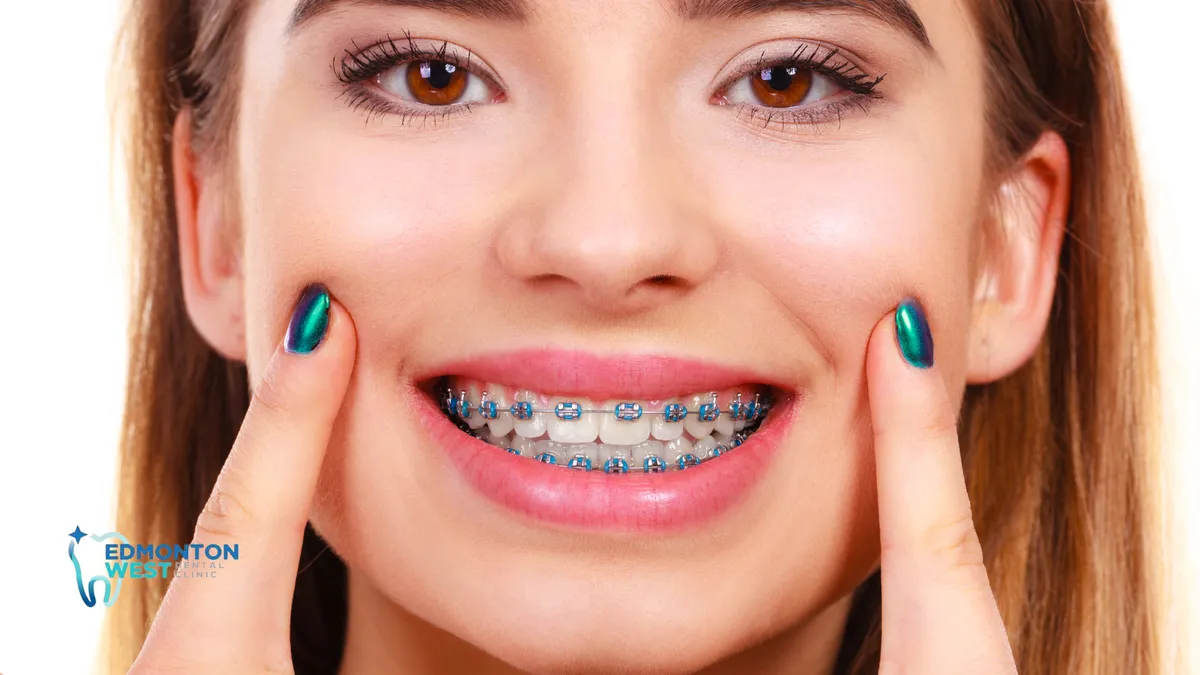
Teens seeking orthodontic treatment often find themselves facing different options compared to adults. Understanding the differences between braces for your age group can help you make informed decisions about your dental health. While both age groups benefit from braces, factors such as treatment duration, types of braces available, and personal lifestyle can vary significantly. This guide will explore these differences to help you choose the best orthodontal solutions tailored to your needs, ensuring a successful and rewarding experience on your journey to a beautiful smile.
Key Takeaways:
- Age Factors: Adults may experience slower teeth movement compared to teens, leading to longer treatment times.
- Options Available: Adults often have a wider range of braces options, including discreet choices like clear aligners or ceramic braces.
- Health Considerations: Adults may face additional oral health issues that can influence the type and timeline of orthodontic treatment.
Understanding Orthodontic Needs
Your orthodontic needs may vary significantly depending on whether you are an adult or a teen. Adults often seek treatment for different reasons, such as aesthetic improvements or to address long-standing dental issues, while teens are usually in the midst of development, making the timing of their treatment important. Understanding these differences can help you choose the right orthodontic approach and ensure optimal results for your unique situation.
Developmental Considerations
To understand the differences between braces for adults and teens, it’s important to consider the developmental stage of each group. Teens typically still have growing jaws and teeth, which means that treatment can often lead to faster and more predictable results. In contrast, adults have fully developed teeth and jaws, which may require more extensive planning and a longer treatment duration to achieve desired outcomes.
Aesthetic Preferences
Above all, aesthetic preferences play a significant role in the choice of braces. Teens may be more open to traditional metal braces, whereas adults often prefer discreet options, such as clear aligners or ceramic braces, to minimize visibility.
The desire for a more subtle orthodontic treatment can greatly influence decision-making for adults. As you weigh your options, consider how much the visual aspect of your braces matters to you. Many adults appreciate the choice of aligners or ceramic brackets, which blend better with natural tooth color, allowing them to feel more confident during their treatment. Your comfort level with various types of braces can significantly impact your overall experience and satisfaction with the results.
Types of Braces
Some dental patients may wonder which braces are best suited for their needs. Here’s a quick overview of the different types:
- Traditional Metal Braces
- Ceramic Braces
- Lingual Braces
- Clear Aligners
- Self-Ligating Braces
Knowing the pros and cons of each type can help you make the best decision for your orthodontic journey.
| Traditional Metal Braces | Classic, durable, and effective for all orthodontic issues. |
| Ceramic Braces | Less noticeable, ideal for aesthetic preference. |
| Lingual Braces | Hidden behind the teeth; great for discreet treatment. |
| Clear Aligners | Flexible, removable options that are less visible. |
| Self-Ligating Braces | Reduced friction, allowing for faster treatment. |
Traditional Metal Braces
Above all, traditional metal braces have stood the test of time for a reason. They are constructed from high-grade stainless steel and consist of brackets, wires, and elastic bands, providing a reliable and effective solution for teeth alignment. (Your choice in braces will be impacted by factors such as your dental needs and lifestyle options.)
Clear Aligners
Along with traditional braces, clear aligners have gained popularity due to their aesthetic appeal and convenience. These custom-made, removable trays allow you to align your teeth without the visibility of traditional braces.
Plus, clear aligners offer the added benefit of being removable, which means you can maintain better oral hygiene compared to fixed braces. This option allows you to eat and drink without restrictions while comfortably wearing the aligners throughout the day and night as prescribed.
Treatment Duration
Despite the common belief that age doesn’t impact the orthodontic process, the treatment duration for adults and teens can differ significantly. For a comprehensive understanding of these variances, check out the Differences between Teen and Adult Orthodontics.
Average Treatment Time for Teens
Treatment time for teens typically ranges from 18 to 24 months. Since their teeth and jaws are still developing, the orthodontist can often achieve results more quickly than with adult patients.
Average Treatment Time for Adults
For adults, the average treatment time usually spans from 24 to 36 months. This variation is mostly due to the fact that adult teeth are fully developed, making movements more complex and sometimes slower.
Even with the longer duration for adult treatment, various factors can influence your timeline. These include the complexity of your dental issues, the type of braces you choose, and your commitment to maintaining treatment protocols. By staying in close contact with your orthodontist and following their recommendations, you can help ensure that your treatment proceeds as efficiently as possible.
Comfort and Adjustment
Many adults and teens experience varying levels of comfort and adjustment when it comes to braces. Adults may perceive braces as a more significant lifestyle change, while teens might adapt more quickly due to their more forgiving jaw and gum structures. You should anticipate some discomfort during the initial phase, regardless of age, but it’s important to communicate any persistent pain to your orthodontist for effective management.
Pain Sensitivity in Different Age Groups
Among different age groups, pain sensitivity can vary significantly. Teens often have higher pain tolerance due to their developing bodies, which may enable quicker adaptation to the discomfort associated with braces. Conversely, as an adult, you may experience heightened discomfort due to more sensitive gums and teeth that have undergone years of wear. (Your orthodontist can make necessary adjustments based on your pain threshold.)
Adjustment Frequency
Groups of patients tend to differ regarding how frequently adjustments are required. Generally, teens might require adjustments every four to six weeks, as their teeth move more readily during growth spurts. On the other hand, adults may need longer intervals between adjustments, ranging from six to eight weeks, as their dental structure is more rigid. It’s important to work closely with your orthodontist to establish a schedule that suits your unique dental needs.
Consequently, understanding the adjustment frequency can help you manage your expectations for both the treatment duration and overall comfort. As an adult, you might find that you have more responsibilities to juggle, allowing for less flexibility in your orthodontic appointments. For teens, regular visits can easily be coordinated around their school schedules. Regardless of your age, staying consistent with your adjustments will lead to optimal results in a timely manner.
Financial Considerations
Not all orthodontic treatments come with the same price tags. Adults often face higher costs due to longer treatment times and more complex dental issues compared to their teen counterparts. To get a closer look at what to expect financially, check out our resource on Braces for Children, Teens, & Adults Know the difference?
Cost Comparisons
Cost varies significantly based on age, treatment type, and location:
| Age Group | Average Cost |
| Teens | $3,000 – $7,000 |
| Adults | $4,000 – $8,000 |
Insurance and Payment Options
Above all, understanding your insurance coverage and payment options can significantly impact your financial planning. Many plans may cover a portion of the costs, making it important for you to evaluate your policy details (this will help in managing your budget effectively).
In addition, various orthodontic offices offer flexible payment plans and financing options that can ease the burden of costs. Assessing your financial situation alongside these options can guide your decision before committing to treatment (the right choice can enhance your overall experience and satisfaction).
Long-Term Outcomes
All patients can experience significant positive changes in their dental alignment, leading to improved aesthetics and better function. For adults, the long-term outcomes of orthodontic treatment often include not only enhanced self-esteem but also increased comfort when biting and chewing. Properly aligned teeth can reduce wear and tear, helping to prevent future dental issues, making it important for you to consider these benefits when deciding on braces.
Retention and Maintenance
Along with completing your orthodontic treatment, retention and maintenance are key to ensuring that your new smile lasts. After braces are removed, retaining devices are often necessary to hold your teeth in their new positions. This step is particularly important for adults, as the chances of teeth shifting can increase with age. Regular follow-ups with your orthodontist will help guide you on how to keep your smile intact.
Impact on Oral Health
Retention plays a vital role in maintaining your oral health post-braces. When teeth are aligned properly, it becomes easier for you to clean them, reducing the risk of plaque buildup and cavities. Additionally, an improved bite can alleviate strain on your jaw, potentially preventing headaches and other discomforts associated with misalignment. Regular dental check-ups and good oral hygiene practices further ensure that you preserve the benefits gained from orthodontic treatment.
Indeed, the positive impact of braces on oral health is multifaceted. By promoting easier cleaning and a healthier bite, you will support not only the longevity of your dental work but also your overall well-being. Investing in braces can lead to a lifetime of healthy teeth and gums, helping you avoid future complications associated with misaligned teeth, such as tooth decay or gum disease. Therefore, prioritizing your retention plan is important to fully capitalize on the orthodontic investments you’ve made.
Final Words
Ultimately, understanding the differences between braces for adults and teens can help you make an informed decision about your orthodontic journey. While both age groups aim for improved oral health and aesthetics, factors such as treatment duration and stress levels may vary. You should consider your unique needs and preferences when exploring options. For more information on the types of braces and their functions, visit Braces: Types & How They Work.