
Why Some People Get More Tartar Buildup Than Others
You may have noticed that despite your best efforts to maintain oral hygiene, some people seem to accumulate tartar buildup more quickly than others. Understanding the factors that contribute to this discrepancy can help you take better care of your teeth and gums.
Genetics, diet, oral care habits, and specific health conditions all play a significant role in tartar formation. In this post, we will explore these factors in detail, empowering you with the knowledge to combat tartar buildup effectively.
Key Takeaways:
- Genetics and saliva composition strongly influence how much tartar builds up on teeth.
- A healthy diet and consistent oral hygiene, including brushing, flossing, and mouthwash, reduce tartar formation.
- Regular dental visits are essential for professional tartar removal and early detection of oral health issues.
Genetics: The Unseen Influencer on Oral Health
Your genetic makeup plays a hidden role in the amount of tartar buildup you may experience. Various genes influence factors such as your immune response, saliva production, and the overall health of your gums.
Some individuals inherit traits that make them more susceptible to plaque formation or have a less effective response to the bacteria that contribute to tartar development. Understanding these genetic predispositions can empower you to take a more proactive approach to your oral hygiene.
“Knowing your genetic risk factors for tartar buildup means you can focus on preventive strategies like more frequent cleanings and customized oral care products that target problem areas before they escalate into bigger issues.” – Dr. Alyssa Orobko, Dentist in Edmonton, AB
Role of Saliva Composition
The composition of your saliva significantly impacts the formation of tartar. Saliva functions as a natural defense mechanism for your mouth, helping to wash away food particles and neutralize acids produced by bacteria.
Factors like pH levels and the presence of minerals can vary from person to person due to genetics, which may either promote or hinder tartar accumulation. For instance, higher calcium and phosphate concentrations in saliva can lead to increased mineralization of plaque, accelerating tartar formation.
“If your saliva has higher concentrations of calcium, this can act as a double-edged sword—while it’s great for remineralizing your enamel, it can also speed up tartar buildup, highlighting the importance of routine dental cleanings.” – Dr. Alyssa Orobko, Dentist in Edmonton, AB
Inheritance Patterns in Tartar Buildup
Research suggests that certain genetic markers may be linked to inheritance patterns, suggesting that if your parents had issues with excessive tartar, you may be more prone to the same condition. Family studies have shown that certain genes associated with immune responses and oral health traits can be passed down through generations.
As a result, understanding your family history can be a vital tool in anticipating your potential oral health challenges.
For example, specific genetic markers have been identified that are linked to increased salivary flow, which reduces tartar formation. Conversely, some individuals carry genetic variants associated with higher plaque indices, making them more susceptible to dental issues.
Recognizing these patterns allows dental professionals to tailor prevention strategies, such as recommending personalized oral care regimens based on your genetic predisposition towards tartar buildup.
Dietary Choices: What You Eat and Its Impact
Your diet plays a significant role in the buildup of tartar on your teeth. Consuming certain foods can encourage plaque formation, which quickly hardens into tartar if not managed properly.
By understanding the impact of your dietary choices, you can take actionable steps to minimize tartar and protect your oral health.
High-sugar and High-carb Diets
Foods rich in sugar and carbohydrates create an ideal environment for harmful bacteria in your mouth. These bacteria feed on the sugars you consume, producing acids that attack your tooth enamel and lead to increased plaque accumulation.
Regularly indulging in candy, sugary drinks, and starchy snacks can significantly elevate your risk of tartar buildup.
Acidic Foods and Their Role in Tartar Formation
Highly acidic foods, such as citrus fruits, tomatoes, and vinegar-based dressings, can contribute to enamel erosion. This weakening of enamel makes it easier for plaque to adhere to your teeth.
With frequent exposure to these foods, you increase your likelihood of developing tartar, especially if oral hygiene is not maintained rigorously.
Incorporating neutralizing foods, like dairy or leafy greens, can help mitigate the effects of acidity. Balancing these acidic foods with mindful oral care practices, such as rinsing your mouth with water, can further protect your dental health.
Oral Hygiene Habits: The Daily Battle
Your daily oral hygiene routine significantly influences tartar buildup. Consistency in your habits, along with the techniques you employ, can help you maintain a healthier mouth and reduce dental issues.
Those who neglect their oral care often find themselves battling increased plaque, which quickly hardens into tartar.
The Role of Flossing and Mouthwash
Flossing daily and using mouthwash boost your oral hygiene efforts significantly. While brushing targets the tooth surfaces, flossing reaches the tight spaces between your teeth, dislodging food particles and plaque that your toothbrush might miss.
Mouthwash serves as an additional layer of protection, containing antibacterial properties that can help reduce plaque and tartar buildup, enhancing overall freshness in your mouth.
Flossing removes debris and helps prevent gum disease, which can worsen tartar buildup. Incorporating mouthwash with fluoride can help strengthen your teeth and prevent decay while also providing an extra level of cleanliness that brushing alone may not achieve.
Studies show that using mouthwash in conjunction with a proper brushing and flossing routine can lead to 18-31% less plaque buildup over time.
Lifestyle Factors: Beyond Genetics and Hygiene
Several lifestyle factors can significantly influence tartar buildup, extending beyond just genetics and oral hygiene practices. The amount of tartar your teeth accumulate can be impacted by your diet, frequency of dental visits, and overall lifestyle choices.
Consider these aspects:
- Your diet’s sugar and acidity levels can contribute to plaque formation.
- The regularity of dental cleanings plays a vital role in controlling tartar.
- Can your stress levels affect your brushing habits and susceptibility to gum disease?
You must pay attention to these lifestyle factors to maintain optimal oral health.
Tobacco Use and Tartar Accumulation
Smoking and chewing tobacco are linked to increased tartar buildup due to their drying effect on your mouth and contribution to plaque formation. Tobacco products create an environment where bacteria thrive, ultimately leading to hardened plaque on your teeth.
“Tobacco not only dries out your saliva—your mouth’s natural defense against bacteria—but also changes bacterial composition, creating the perfect conditions for more aggressive tartar development.” – Dr. Alyssa Orobko, Dentist in Edmonton, AB
Stains from these substances further complicate your dental hygiene, making it necessary to seek alternatives for a healthier mouth.
Stress and Its Effects on Oral Care
Chronic stress can compromise your oral hygiene routine, leading to increased plaque and tartar buildup. Stress might cause you to neglect your daily brushing and flossing habits, which can elevate your susceptibility to gum disease and cavities.
Moreover, grinding your teeth—a common stress response—can worsen wear and tear on enamel, fostering further dental complications. Stress has a multifaceted impact on your oral health.
When you experience anxiety or high levels of stress, you may find yourself rushing through your dental routine or overlooking important practices like flossing. Furthermore, prolonged stress can exacerbate oral conditions, such as gum disease and bruxism, which can contribute to the rapid accumulation of tartar.
Take time for self-care and stress management techniques to benefit not only your mental well-being but your oral health as well.
Professional Insights: The Dentist’s Perspective
Dental professionals have observed firsthand why some individuals accumulate tartar more quickly than others. Variances in saliva composition, oral hygiene habits, and biological factors such as age and genetics come into play. For example, those with a higher concentration of calcium or phosphate in their saliva may experience more substantial buildup. Additionally, dentists often note that patients with gum disease are more prone to tartar accumulation, which can exacerbate oral health issues over time.
Tools and Techniques for Managing Tartar
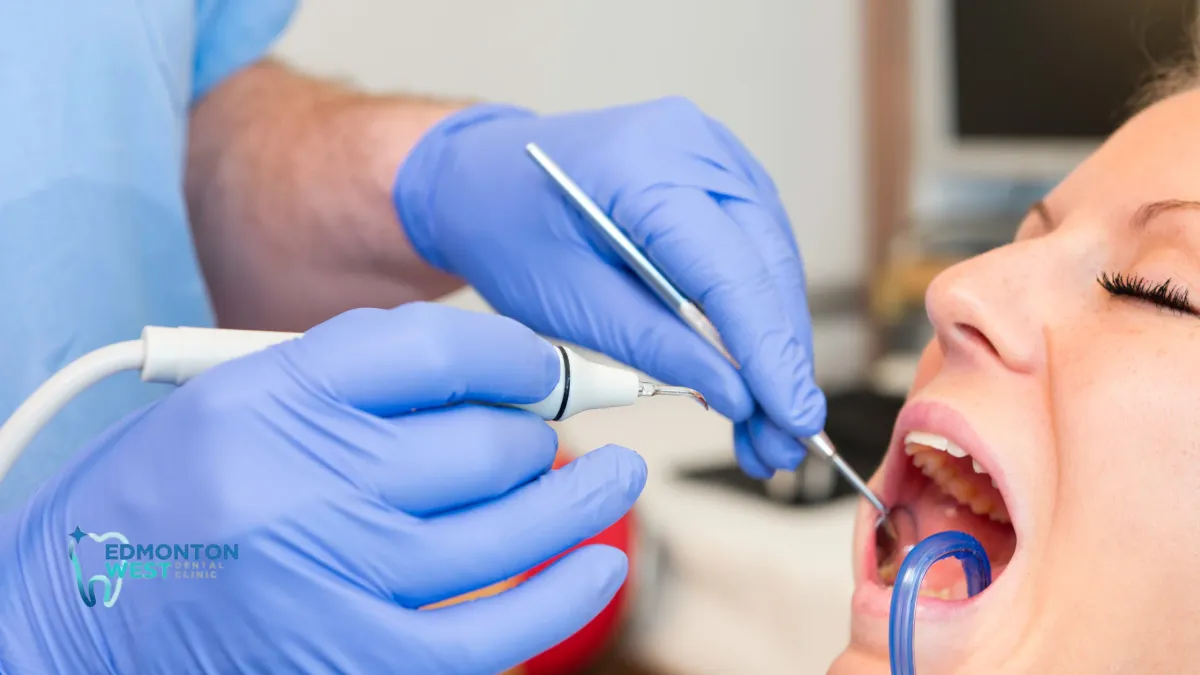
Dentists utilize specialized tools and techniques to combat tartar buildup effectively. Instruments like ultrasonic scalers emit vibrations to break up tartar deposits while water sprays wash them away.
Manual scalers are also employed for precision cleaning, especially in hard-to-reach areas. Your dentist can tailor their approach based on your individual needs to ensure comprehensive tartar removal.
The Importance of Regular Checkups
Regular dental checkups serve as your best defense against tartar buildup. During these visits, dentists perform thorough cleanings that remove plaque and tartar that may have accumulated since your last appointment.
Furthermore, these checkups allow for early detection of potential dental issues, such as cavities or gum disease, which can be exacerbated by excess tartar. By attending checkups every six months, you maintain optimal oral health and significantly reduce the likelihood of serious dental complications.
Final Words
Ultimately, understanding why some people experience more tartar buildup than others can help you take proactive steps for your oral health. Factors such as saliva composition, diet, oral hygiene practices, and genetics play significant roles in tartar formation.
By being attentive to these elements and adopting a consistent oral care routine, including regular dental check-ups, you can effectively manage tartar buildup and maintain a healthier smile.
Take Control of Your Oral Health Today
Tartar buildup isn’t just a cosmetic concern—it can lead to serious dental issues if left untreated. If you’re noticing signs of excessive plaque or tartar, don’t wait. The experienced team at Edmonton West Dental Clinic is here to help with personalized cleanings and preventive care.
Visit us at 21553 Chief Lapotac Blvd NW #101 Edmonton, AB T7X 3Y3
Book your appointment now and take the first step toward a healthier smile.
Reviewed by: Dr. Alyssa Orobko