What Causes Receding Gums and How to Prevent It
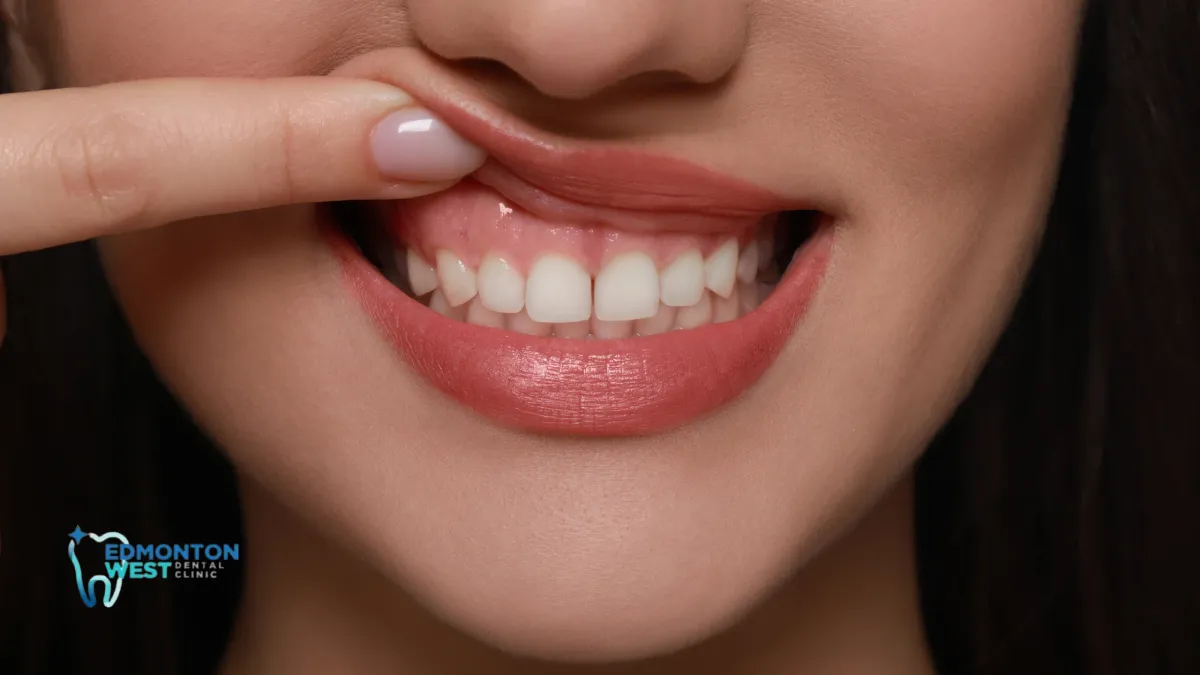
Prevention is key to maintaining your oral health and preventing receding gums. Understanding the factors that contribute to this condition, such as poor dental hygiene, genetics, and specific health issues, allows you to take proactive steps in protecting your gums.
In this guide, you will discover practical strategies and lifestyle changes to prevent further gum recession and maintain a healthy smile. Prioritizing your gum health not only enhances your appearance but also supports overall well-being.
Key Takeaways:
- Receding gums can be caused by various factors, including periodontal disease, aggressive brushing techniques, and genetics.
- Maintaining good oral hygiene practices, such as regular brushing and flossing, is vital in preventing gum recession.
- Regular dental check-ups enable the early detection and intervention of potential issues, which can help manage symptoms and prevent further gum loss.
What Causes Receding Gums
Your gums can recede for various reasons, which may lead to tooth sensitivity and an increased risk of decay. Factors such as genetics, hormonal changes, poor oral hygiene, and tobacco use play significant roles in gum recession.
Understanding these causes is essential to maintaining your oral health and preventing further issues.
Genetic Factors
Your genetics can significantly influence your susceptibility to receding gums. If your family has a history of gum disease or other dental issues, you might be more prone to experiencing gum recession yourself.
Genetic predisposition affects the strength and overall health of your gum tissue.
- Family history of gum problems
- Predisposition to periodontal disease
- Inherited traits affecting oral health
After identifying your genetic risk factors, you can take proactive measures to protect your gums.
Hormonal Changes
Some significant changes in hormone levels can impact your gum health. For example, women may experience gum recession during pregnancy, menstruation, or menopause due to fluctuating hormones.
This hormonal shift can make gums more susceptible to disease. Regular dental checkups can help identify and address any issues that may arise during these periods.
Genetic factors, along with hormonal changes, can increase your risk of infections and gum inflammation. Thus, being aware of these changes can help you take preventive measures, such as using appropriate toothpaste or scheduling dental visits according to your hormonal cycle.
“While genetics plays a role, proactive care can significantly mitigate the risks. Regular checkups, especially during periods of hormonal fluctuation, are key to early detection and management of gum recession.” – Dr. Alyssa Orobko
Poor Oral Hygiene
Hygiene practices play a pivotal role in gum health. Inadequate brushing and flossing can lead to plaque accumulation, which can irritate your gums and contribute to recession.
Without proper care, bacteria in plaque can produce toxins that aggravate your gum tissue, making it vital to maintain consistent oral hygiene routines.
Changes in your oral hygiene routine can lead to negative consequences for your gum health. Neglecting daily brushing and flossing can allow bacteria to thrive, causing inflammation and infection.
To avoid these complications, make a habit of effective cleansing methods, including regular dental checkups.
Tobacco Use
To reduce the risk of receding gums, you must be aware of the effects of tobacco use. Smoking or chewing tobacco significantly increases your susceptibility to periodontal diseases and can accelerate gum recession.
This harmful habit impairs blood flow to your gums and delays healing.
Another critical detail about tobacco use is that it not only harms your gums but also leads to other serious dental issues, including tooth loss and bad breath. Quitting tobacco can improve your gum health and enhance your overall well-being.
“Tobacco use restricts blood flow to the gums, impairing healing and making you much more susceptible to infection and gum recession. We offer resources and support to help our patients quit.” – Dr. Alyssa Orobko
Adopting a tobacco-free lifestyle is one of the best decisions you can make.
How to Recognize Receding Gums
If you notice changes in your gum line, it may be a sign of receding gums. Pay attention to how your teeth look and feel.
If your teeth appear longer, or if you experience increased sensitivity to hot or cold foods and beverages, it’s time to take action. Watch for any visible gaps between your gums and teeth, or signs of inflammation such as redness or swelling, as these are common indicators of gum recession.
Signs and Symptoms
There’s a variety of signs and symptoms associated with receding gums. You might notice that your teeth look longer than they used to or that you have more exposed tooth roots.
Increased tooth sensitivity, especially when consuming hot, cold, or sweet items, can also occur. Additionally, you may experience persistent bad breath or see bleeding during brushing and flossing.
If these signs appear, it’s essential to address them promptly.
When to Consult a Dentist
Dentist consultations should be prioritized if you observe any signs of receding gums. Early intervention can help prevent more severe complications.
If you experience ongoing pain or discomfort or if your symptoms worsen, don’t hesitate to seek professional help. Your dentist can assess the severity of the gum recession and recommend appropriate treatments to protect your oral health.
Receding gums can lead to significant oral health issues, including tooth loss and increased susceptibility to infections. If you notice signs of gum recession or experience increasing sensitivity, it’s necessary to consult with your dentist.
They can provide an accurate diagnosis and discuss necessary interventions, which may include deep cleaning, medication, or even surgical options. You should prioritize your oral health by seeking advice if you have persistent issues or concerns.
Tips for Preventing Receding Gums
Once again, protecting your gum health requires proactive measures. To help prevent receding gums, consider the following tips:
- Maintain good oral hygiene
- Schedule regular dental check-ups
- Avoid tobacco products
- Adopt a healthy diet and lifestyle
Assume that these practices are integrated into your daily routine to promote optimal gum health.
Maintain Good Oral Hygiene
Maintain a thorough oral hygiene routine by brushing your teeth at least twice a day and flossing daily. This helps remove plaque and tartar buildup, which can lead to gum disease and, subsequently, receding gums.
Using an antimicrobial mouthwash can further enhance your oral care.
Regular Dental Check-ups
There’s no substitute for professional dental care. Regular check-ups allow your dentist to monitor your oral health and catch any potential issues before they escalate.
For instance, dentists can detect early signs of gum disease during routine cleanings. By addressing these signs promptly, you can take the necessary steps to prevent gum recession and maintain the integrity of your gums and teeth.
Avoid Tobacco Products
Hygiene plays a significant role in gum health, and avoiding tobacco products is crucial. Smoking or chewing tobacco can lead to gum irritation, inhibiting your mouth’s ability to heal.
Preventing further complications related to gum disease requires you to consider the harmful substances in tobacco. Tobacco not only weakens your immunity but also decreases blood flow to your gums, hindering natural healing processes and promoting receding gums.
Healthy Diet and Lifestyle
Preventing receding gums also hinges on your diet. Consuming a balanced diet rich in vitamins and minerals supports your gum health.
Understanding the impact of your dietary choices is crucial; foods high in vitamin C, such as oranges and strawberries, help strengthen your immune system and promote healthy gums. Additionally, maintaining proper hydration helps support saliva production, which in turn aids your mouth’s natural defenses against bacterial infections.
Effective Home Remedies
Unlike many invasive dental procedures, there are effective home remedies that can help combat receding gums. Simple practices, such as rinsing with salt water or incorporating essential oils into your oral care routine, can significantly improve your gum health.
These natural methods not only promote healing but also enhance your overall oral hygiene regimen. Always consult with your dentist before starting new treatments to ensure they align with your dental needs.
Salt Water Rinse
Little did you know, a simple saltwater rinse can be a powerful ally in fighting gum recession. By mixing a teaspoon of salt in a glass of warm water, you create a natural antibacterial solution.
Swishing this mixture in your mouth for 30 seconds can help reduce inflammation, remove bacteria, and soothe your gums, making it a fantastic addition to your oral hygiene routine.
Essential Oils
Certain essential oils, such as tea tree or peppermint oil, are recognized for their antimicrobial properties and can help promote gum health. By diluting a few drops in a carrier oil, you can use it as a mouthwash or massage it gently onto your gums.
Essential oils also provide a refreshing sensation, making your oral routine more enjoyable.
Home remedies with necessary oils can be a game-changer for your gum health. These oils can help fight off harmful bacteria and reduce inflammation in your gums.
When utilizing high-quality essential oils, ensure they are suitable for oral use. Performing regular massages with a diluted blend can also enhance blood circulation, potentially promoting gum health over time.
Just be sure to consult your dentist before starting any new regimen to avoid adverse reactions.
Professional Treatments for Receding Gums
Despite good oral hygiene practices, you may still experience receding gums. If this happens, it’s necessary to explore professional treatments that can help restore your gum health.
These treatments can effectively address the underlying issues contributing to gum recession, enabling you to maintain a healthy smile and prevent further complications.
Scaling and Root Planing
An effective way to treat receding gums is through scaling and root planing. This deep cleaning procedure removes tartar and plaque from below the gum line, promoting gum healing.
Your dentist or hygienist will carefully clean your teeth and roots, allowing your gums to reattach to the tooth surface and reducing inflammation.
“Scaling and root planing is often the first line of defense against gum recession. It removes harmful bacteria and creates a clean surface for the gums to reattach, promoting healing and preventing further damage.” – Dr. Alyssa Orobko
Gum Grafting
The gum grafting procedure is another option for treating receding gums. During this treatment, the dentist takes tissue from another part of your mouth or uses donor tissue to cover the exposed tooth roots.
The procedure can help restore your gum line, enhance your smile, and protect your teeth from further damage.
Root coverage procedures can also be performed through gum grafting to address severe gum recession. According to the American Academy of Periodontology, this type of grafting can improve both the aesthetic appearance of your smile and your oral health.
It is vital to handle this treatment with care, as the healing process plays a significant role in forming a sturdy attachment of your gums. When performed by an experienced professional, gum grafting can yield long-lasting, positive results and enhanced comfort, significantly reducing sensitivity and exposure to the tooth’s roots.
Lifestyle Changes to Support Dental Health
All aspects of your lifestyle can significantly impact your dental health. Adopting positive habits, such as practicing proper oral hygiene, managing stress, staying well-hydrated, and maintaining a balanced diet, will help promote healthy gums.
Making these changes not only enhances your overall well-being but also helps prevent issues like receding gums.
Stress Management
Clearly, managing your stress levels is vital for maintaining excellent dental health. High stress can lead to various behaviours, including grinding your teeth and neglecting your oral hygiene.
Finding effective methods to manage stress, such as meditation or exercise, can have a positive impact on your overall gum health.
Hydration and Nutrition
Health plays a significant role in the condition of your gums. Consuming a diet rich in nutrients, particularly vitamins C and D, can strengthen gum tissue and combat infection.
Pair these nutrients with sufficient hydration to ensure your mouth produces enough saliva, which is essential for neutralizing acids and removing debris.
Hydration is crucial for your overall health and is particularly important for maintaining good dental hygiene. Drinking adequate water helps maintain the proper moisture level in your mouth, promoting saliva production.
Saliva plays a crucial role in neutralizing harmful acids, aiding in digestion, and supplying essential minerals that help strengthen tooth enamel. A diet rich in fruits, vegetables, and whole grains contributes crucial nutrients that support gum health and protect against damage.
Ensuring you stay well-hydrated and nourish your body effectively can substantially prevent issues like receding gums.
Summing up
Taking this into account, understanding what causes receding gums is key to maintaining your oral health. Factors such as poor dental hygiene, periodontal disease, and genetic predisposition can contribute to this issue.
To prevent gum recession, adopt a consistent oral care routine that includes regular brushing and flossing, as well as biannual dentist visits for check-ups. Additionally, paying attention to your diet and avoiding tobacco can significantly protect your gum health.
By taking these steps, you can effectively safeguard your gums and enjoy a healthier smile.
If you’ve noticed signs of gum recession or want to protect your oral health, don’t wait. The caring team at Edmonton West Dental can assess your gums and create a personalized plan for prevention or treatment. Contact us today to book your appointment—we’re here to help you smile confidently for years to come.
Reviewed by: Dr. Alyssa Orobko