
How to Transition from a Pediatric Dentist to a Family Dentist
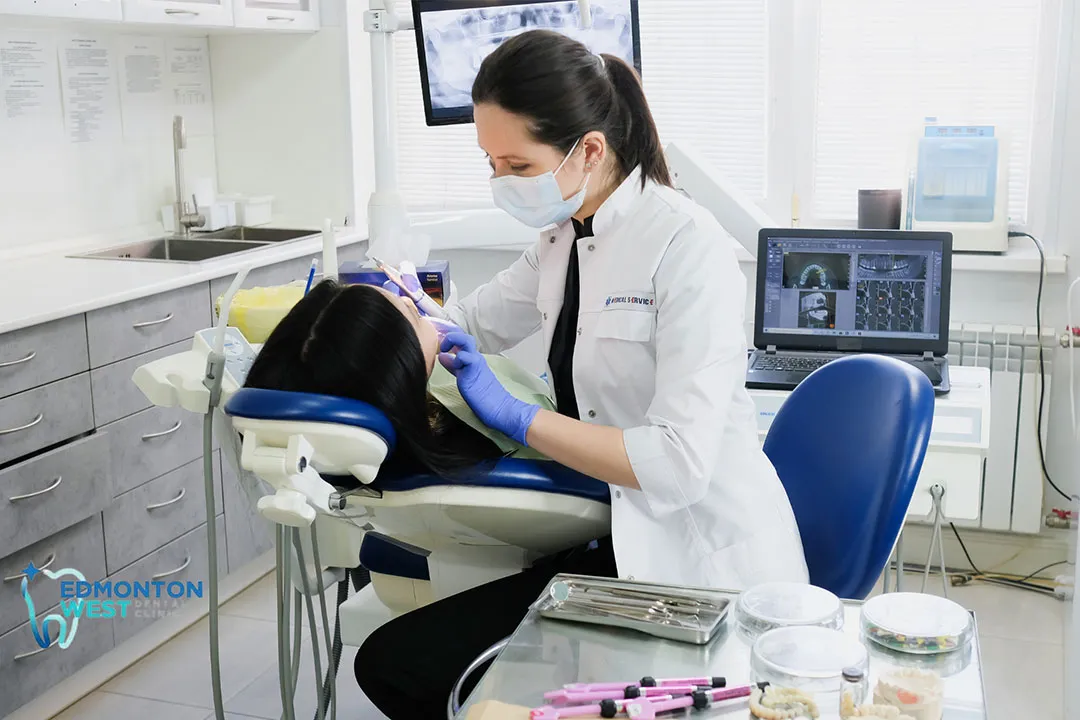
As your child grows older, transitioning from a pediatric to a family dentist is an important step towards maintaining their dental health. In this guide, you will learn helpful tips on how to smoothly make this dental care switch for your family’s needs. Learn more about finding a family dentist who can cater to everyone in your household.
Key Takeaways:
- Research a new dentist: Take the time to find a family dentist who suits your needs and preferences, taking into account factors such as location, services offered, and reviews.
- Open communication: Clearly communicate your child’s dental history, concerns, and any specific requirements to the new family dentist.
- Establish a relationship: Building trust and rapport with the family dentist is vital for both you and your child to feel comfortable and supported during dental visits.
Understanding the Need for Transition
Before we probe into the process of transitioning from a pediatric to a family dentist, it is vital to understand the reasons behind this switch. As your child grows older, their dental needs evolve, requiring a different approach to their oral health care. While pediatric dentists specialize in caring for children, family dentists cater to patients of all ages, including adults and seniors.
Factors to Consider When Outgrowing a Pediatric Dentist
Consider your child’s age and whether they feel comfortable continuing to see a pediatric dentist as they get older. Consider the convenience of having the entire family visit the same dentist for consistent care. Additionally, evaluate the services provided by your current pediatric dentist to see if they align with the dental needs of older family members.
- What is the age and comfort level of your child?
- Having a single dentist for the entire family is convenient.
- Services offered by the pediatric dentist
The decision to transition from a pediatric to a family dentist is a significant step in ensuring comprehensive oral health care for your entire family. The transition can provide seamless continuity of care and a more personalized approach to your family’s dental needs.
Signs It’s Time to Switch to a Family Dentist
When you notice that your child’s dental needs have surpassed what a pediatric dentist can provide, it may be time to consider switching to a family dentist. The need for more advanced treatments like orthodontics, typically provided by family dentists, signals this transition. Additionally, as your child enters their teenage years, they may feel more comfortable seeing a dentist who caters to patients of all ages. Pediatric dentists are experts in children’s dental care, but as your child grows older, their needs may require the specialized services that family dentists can offer. Transitioning to a family dentist can ensure that your family receives comprehensive and tailored dental care that evolves with each family member’s oral health needs.
Choosing the Right Family Dentist
Tips for researching and selecting a new dentist
Now that you have decided to transition to a family dentist, it’s important to do your homework before making a choice. Start by asking friends and family for recommendations or researching online reviews. Consider the location’s convenience, the range of services available, and the dentist’s experience and qualifications.
- Ask for recommendations from friends and family.
- Research online reviews and ratings.
- Consider the dentist’s location and the services offered.
Any dentist you choose should make you feel comfortable and address any concerns you may have about your family’s oral health.
What credentials should a family dentist have?
Assuming you want the best care for you and your family, it’s vital to ensure your new family dentist has the right credentials. Look for a dentist who is licensed, has relevant experience in family dentistry, and stays up-to-date with continuing education in the field.
Clearly displayed credentials in the office, such as diplomas, licenses, and certifications, can give you peace of mind and confidence in their abilities to provide quality dental care for your family.
For instance, you may want to inquire about the dentist’s affiliation with professional organizations like the American Dental Association or any specialized training in pediatric dentistry.
The Importance of Office Location and Hours
Clearly, the location and office hours of your family dentist can greatly impact your ability to schedule appointments and receive timely care. Choose a dentist whose office is conveniently located near your home or workplace, with hours that fit your family’s schedule.
Understanding the importance of accessibility, especially in case of dental emergencies, can help you make the right choice when selecting a family dentist for you and your loved ones.
Preparing Your Child for the Transition
How should you explain the change to your child?
To begin preparing your child for the transition from a pediatric to a family dentist, it’s imperative to have an open and honest conversation with them. Sit down with your child and explain the reasons for the change in a simple and age-appropriate manner. Reassure them that this new dentist will continue to take excellent care of their teeth, just like their previous dentist did.
Ways to ease anxiety and fear about the new dentist
Transitioning to a new dentist can be a source of anxiety for many children. To help ease their fears, consider discussing positive aspects of the new dentist, such as a welcoming office environment or exciting amenities for kids. You can also read books or watch videos about visiting the dentist to familiarize your child with what to expect.
The key to helping your child feel more comfortable with the switch is to openly and empathetically address any concerns or fears they may have. Encourage them to ask questions and share their feelings, so that you can work together to make the transition smooth and stress-free.
Involving Your Child in the Selection Process
Your child’s participation in the selection process for a new family dentist can empower them and make the transition more positive. You can ask for their opinions on what qualities they would like in a dentist or involve them in choosing the practice based on their preferences, such as a dentist who is comfortable with children or has a relaxing waiting area.
Understanding that your child may have mixed emotions about switching to a new dentist, involving them in the decision-making process can give them a sense of control and ownership over the change, ultimately helping them feel more invested in their oral health care.
Making the Transition Smooth
How do you transfer dental records and history?
While transitioning from a pediatric to a family dentist, it’s crucial to ensure a smooth transfer of your child’s dental records and history. You can request your current pediatric dentist to send the records directly to the new family dentist’s office. This way, your new dentist will have all the necessary information about your child’s oral health, previous treatments, and any specific needs.
Scheduling the first appointment with the new dentist
While making the switch to a family dentist, scheduling the first appointment is crucial. You should first call the new dentist’s office to ask about new patient appointments. Prepare to provide your child’s insurance information, as well as any concerns or preferences about appointments.
When scheduling the first appointment with your new family dentist, one important thing to remember is to inform them about any anxieties or fears your child may have about dental visits. This way, the dental team can be prepared to make the experience as comfortable and stress-free as possible for your child.
What to Expect During an Initial Visit
Smoothly transitioning to a family dentist also involves knowing what to expect during the initial visit. During this first appointment, the dentist will conduct a comprehensive examination of your child’s mouth, teeth, and gums. They may also take X-rays to get a more in-depth look at your child’s oral health.
An important aspect to note during the initial visit is that the family dentist will discuss any findings from the exam with you and recommend a personalized treatment plan for your child’s dental care. This is a wonderful opportunity to ask any questions you may have and address any concerns about your child’s oral health.
Understanding the process
Understanding the process of transitioning from a pediatric to a family dentist can help make the experience smooth and stress-free for both you and your child. By following these steps and knowing what to expect during the initial visit, you can feel confident in the decision to switch to a family dentist for your child’s ongoing dental care.
Factors to Consider for Special Needs Children
Unlike typical children, special needs children may require extra attention and care during dental visits. Here are some things to keep in mind when transitioning your special needs child from a pediatric to a family dentist:
- Sensory sensitivities
- Communication barriers
- Behavioural challenges
- Physical limitations
Understanding your child’s unique needs and choosing a dentist with experience treating special needs patients are crucial for a successful transition.
How to find a family dentist experienced with special needs
Clearly communicate your child’s needs and any special accommodations that may be required to ensure a comfortable and safe dental experience. Look for a dentist who has experience working with special needs children and creates a welcoming and inclusive environment for all patients.
Preparing your special needs child for the transition
For a smooth transition to a family dentist, it’s necessary to prepare your special needs child both mentally and emotionally. Talk to them about the upcoming change; visit the new dental office beforehand, if possible; and create a social story or visual schedule to help them understand what to expect during their dental visit.
Additional accommodations to request from the new dentist
Factors such as a quiet waiting area, a designated sensory-friendly room, or the ability to schedule appointments during less busy times can greatly benefit your special needs child. Consider requesting these accommodations from your new family dentist to help create a positive dental experience for your child.
Tips for a Successful Long-Term Relationship
Keep the following tips in mind to cultivate a successful and enduring relationship with your family dentist:
- Communicate openly and honestly about your dental health concerns, fears, and expectations.
- Commit to regular dental check-ups and cleanings to maintain optimal oral health.
- Follow your dentist’s recommendations for at-home oral care routines to prevent future dental issues.
Recognizing the importance of these components in your relationship with your family dentist will help ensure a positive and beneficial experience for years to come.
How to Establish Open Communication with Your New Dentist
Some key tips for establishing open communication with your family dentist include being proactive in asking questions about your dental health, treatment options, and any concerns you may have. Additionally, make sure to provide feedback to your dentist about your comfort level during treatments and appointments.
The Importance of Regular Check-Ups and Cleanings
Regular check-ups and cleanings form the foundation of successful long-term relationships with your family dentist. These routine visits not only help maintain your oral health but also allow your dentist to detect and address any potential issues early on, preventing more significant problems in the future. Another crucial aspect of regular check-ups and cleanings is the opportunity for your dentist to monitor any changes in your oral health over time. Consistently attending these appointments, you are taking proactive steps to prioritize your dental well-being and prevent any major concerns from developing.
Building trust and rapport with your family dentist
Communication is key to building trust and rapport with your family dentist. By openly discussing your dental goals, concerns, and treatment preferences, you can work together to develop a personalized care plan that meets your specific needs. Honesty about your fears and anxieties can help your dentist tailor their approach to ensure your comfort and confidence during appointments. Understanding the importance of trust and rapport in your relationship with your family dentist will not only enhance your overall dental experience but also lead to better treatment outcomes in the long run.
To wrap up,
Presently, you have learned about the benefits of transitioning from a pediatric to a family dentist, including the convenience of having all family members seen at the same location. Making the switch guarantees that a professional with experience in treating patients of all ages, from children to adults, will meet your dental needs. This transition allows for continuity of care and builds a long-term relationship with a dentist who understands your family’s oral health history and needs.
When searching for a family dentist, consider factors such as location, hours of operation, services offered, and the dentist’s experience treating patients of all ages. By taking these steps and actively involving your family in the decision-making process, you can seamlessly transition from a pediatric to a family dentist, ensuring comprehensive and personalized dental care for everyone in your family.