
Can Retainers Fix Shifting Teeth Without Braces?
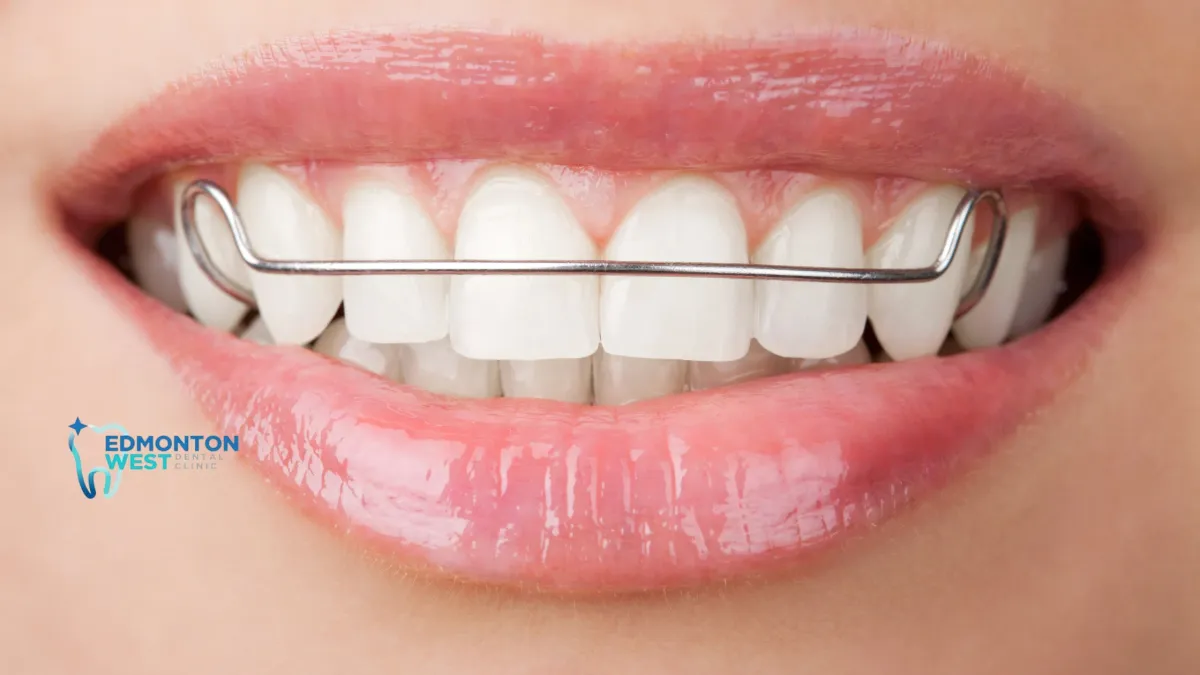
Over time, your teeth may shift due to various factors, leaving you wondering if a retainer can help correct this issue without the need for braces. While retainers are primarily designed to maintain alignment after orthodontic treatment, they can also play a role in addressing minor shifts in your teeth.
This post will investigate how retainers work, their effectiveness in realigning teeth, and what considerations you should keep in mind for optimal results.
Key Takeaways:
- Retainers can gently shift teeth in minor cases but are mainly designed to maintain alignment after orthodontic treatment.
- The type of retainer, consistent wear, and individual factors like age affect how well retainers can correct shifting.
- Severe misalignment typically requires braces, so consulting an orthodontist is essential for the right treatment plan.
The Mechanism of Retainers: Can They Really Shift Teeth?
Retainers are designed to hold your teeth in their new positions after orthodontic treatment. While they primarily serve this purpose, they also have a notable ability to gently shift teeth.
The effectiveness of retainers in shifting teeth largely depends on the type of retainer, the pressure applied, and the duration of wear. The tension means that regular use could potentially guide minor tooth movements under certain circumstances.
How Retainers Apply Pressure
Retainers apply pressure to your teeth in a controlled manner, allowing for gradual changes. They act as a mold over your teeth, providing consistent contact that can exert the necessary force to encourage slight shifts.
“The ability of retainers to guide tooth movement comes down to incremental pressure over time. Even mild adjustments can make a significant difference in alignment, provided patients commit to wearing them as instructed.” — Dr. Alyssa Orobko, Dentist in Chief Lapotac Blvd NW, Edmonton, AB
The adaptation of your teeth to this pressure happens gradually, and the process is typically much gentler than that provided by traditional braces.
Types of Retainers and Their Specific Functions
Different types of retainers serve unique functions. Fixed retainers are bonded to the back of your teeth, providing 24/7 retention without the need for removal.
Removable retainers, like the Hawley or clear aligners, can be adjusted to apply various levels of pressure. Each type can accommodate specific shifting needs based on your dental conditions.
Here’s a breakdown of their unique features:
| Type of Retainer | Function |
| Fixed Retainers | Provide constant support and are effective at preventing most types of relapse. |
| Hawley Retainers | Adjustable and durable |
| Clear Plastic Retainers | Discrete, custom-fit, removable |
| Essix Retainers | Lightweight, used for minor adjustments |
| Transitional Retainers | Sometimes used immediately after braces while waiting for a custom retainer |
Each type plays a specific role in maintaining dental alignment. For example, fixed retainers are ideal for long-term retention, especially in cases where teeth are likely to shift back.
In contrast, removable options like the Hawley retainer offer more flexibility and comfort, along with the potential for minor adjustments. When choosing the right retainer for your needs, consider both your lifestyle and the specific adjustments required for effective results.
Factors Influencing Retainer Efficacy in Teeth Alignment
The effectiveness of retainers in aligning teeth depends on several key factors that can impact the outcome. Consider the following aspects:
- Your age and bone density
- The duration and regularity of wear
- The type of retainer used
- Initial alignment of teeth before retention
You should carefully evaluate these factors to determine the extent to which a retainer can correct shifting.
Age and Bone Density Considerations
Your age plays a significant role in how well retainers work to shift teeth. Younger individuals often experience more responsive dental structures, allowing for easier adjustments.
Bone density contributes to how easily teeth can move; denser bone can slow down the rate of orthodontic movement.
Duration and Regularity of Wear
The amount of time you wear your retainer directly impacts its effectiveness. Consistently adhering to wear schedules can produce better results in realigning your teeth.
Maintaining a regular wear schedule can expedite the corrective process. Ideally, wearing your retainer for at least 22 hours a day initially may lead to more pronounced results.
“Consistency isn’t just key—it’s essential when it comes to retainer wear. Even minor deviations from your prescribed schedule can delay progress, making committed daily use the cornerstone of success.” — Dr. Alyssa Orobko, Dentist in Chief Lapotac Blvd NW, Edmonton, AB
After a period, you can gradually reduce the wearing time while ensuring consistency. Dental professionals often suggest keeping track of your retainer use for optimal outcomes, since irregular wear can lead to setbacks in teeth alignment.
Real-Life Scenarios: When Retainers Work vs. When They Don’t
Understanding the effectiveness of retainers largely depends on the specific circumstances surrounding your dental alignment. For mild misalignments, such as small spaces or minor crowding, retainers can be very effective in gently guiding your teeth back to a straighter position.
“Retainers excel in cases of recent, subtle shifting, but timing is everything. Addressing misalignments early gives your retainer the best chance to succeed without reverting to braces.” — Dr. Alyssa Orobko, Dentist in Chief Lapotac Blvd NW, Edmonton, AB
Conversely, more complex orthodontic issues may require traditional braces to achieve the necessary adjustments. Recognizing the distinctions will help you gauge whether a retainer is sufficient for your needs.
Mild Misalignment Cases Ideal for Retainer Use
Mild misalignment cases, such as slight crowding or minor gaps, are often perfect candidates for retainer use. If your teeth have shifted slightly since your last orthodontic treatment, a retainer may be able to apply gentle pressure to guide them back into position, but only under professional supervision.
The technique is particularly effective if the misalignment is recent and your teeth have not settled into their new positions, giving you a convenient option without the need for full braces.
Examples Where Braces Remain Necessary
Severe crowding, significant overbites or underbites, and major gaps in your teeth usually indicate that braces are the more suitable solution. In cases like these, time and the precision that braces provide are critical.
Aligning and adjusting the position of multiple teeth often requires more than just a retainer’s gentle pressure; braces apply consistent force and allow for comprehensive movement over time, making them the preferable choice for complex cases. If your teeth have shifted dramatically, a consultation with your orthodontist will clarify the best course of action.
Expert Opinions: Dentists Weigh In on Retainers vs. Braces
Insights from Orthodontists
Orthodontists emphasize that while retainers can help maintain teeth positions post-braces, they are not designed for significant realignment. Many professionals suggest that if your teeth have shifted, the underlying changes may require a comprehensive evaluation.
Braces are often recommended when more extensive movement is necessary; they provide greater control over tooth positioning. In Canada, orthodontists typically assess the severity of relapse before recommending whether a retainer or braces is appropriate.
Patient Testimonials and Anecdotal Evidence
Many patients share mixed experiences regarding the efficacy of retainers for shifting teeth. Some individuals report minor successes, noting slight teeth realignment over several months of consistent retainer wear.
However, others disclose frustration, expressing that without braces, any improvements were minimal or temporary. These anecdotes often highlight the importance of consulting dental professionals for personalized advice tailored to unique dental conditions.
Numerous testimonials reveal a broad spectrum of results when using retainers alone. For example, one patient mentioned that after wearing a retainer diligently for a year, they noticed only a slight improvement, which was ultimately insufficient for their needs.
Conversely, another individual found success in using a retainer intermittently after completing an orthodontic treatment and experienced minimal shifting. This process underscores the variability in effectiveness based on individual circumstances and the necessity of professional guidance to achieve desired outcomes.
Practical Guidance: Maximizing the Effectiveness of Retainers
Using your retainer consistently and properly can significantly enhance its effectiveness in shifting teeth. Ensure you wear your retainer for the recommended hours each day, particularly if you’ve recently completed orthodontic treatment or have been advised to use one for minor relapse correction.
Regularly inspecting your retainer for signs of wear or damage can prevent complications. Additionally, consider maintaining a schedule for adjustive visits with your orthodontist, particularly if you notice any discomfort or shifting.
The more diligent you are in following your orthodontist’s guidelines, the better your outcomes will be.
Best Practices for Retainer Maintenance and Use
To keep your retainer in optimal condition, clean it daily with a soft toothbrush and mild soap, avoiding harsh chemicals. Store it in a protective case when not in use to prevent damage, and keep it away from heat sources.
Avoid eating or drinking while wearing your retainer, as this can lead to discoloration or erosion. If you have concerns about fit or discomfort, consult your orthodontist rather than trying to adjust it yourself.
Signs You Need to Consult an Orthodontic Specialist
Be proactive in identifying issues that warrant a visit to your orthodontist. If your retainer feels uncomfortable or doesn’t fit as it should, it may be time to seek professional guidance.
Persistent discomfort, visible shifting of your teeth, or cracks in the retainer are all indicators that your alignment might be compromised. Early intervention can prevent more extensive treatment later on, ensuring your smile stays as planned.
Other signs include any noticeable pain while wearing the retainer or inability to complete your daily wear schedule. If you experience significant changes in your bite or have started to notice your teeth moving apart or shifting back towards their previous positions, consulting an orthodontist can clarify your situation.
A professional evaluation will help you determine whether your retainer requires adjustment or if you may need additional orthodontic treatment for optimal results.
Final Words
So, while a retainer can help maintain the position of your teeth and even address minor shifting, it is not a substitute for braces in more severe cases of misalignment. If you notice changes in your teeth, it’s important to consult your orthodontist to evaluate your specific situation.
They can recommend the best course of action tailored to your needs, ensuring your smile remains beautiful and functional.
Ready to Realign Your Smile?
If your teeth are shifting and you’re wondering whether a retainer might be the solution, the team at Edmonton West Dental Clinic is here to help. Our experienced dentists can assess your smile and recommend the best treatment—no braces required.
Visit us at Chief Lapotac Blvd NW, Edmonton, AB, or contact us today to book your consultation. Let’s keep your smile in line—comfortably and confidently!
Reviewed by: Dr. Alyssa Orobko