
How to Preserve Natural Teeth During Restorative Treatment
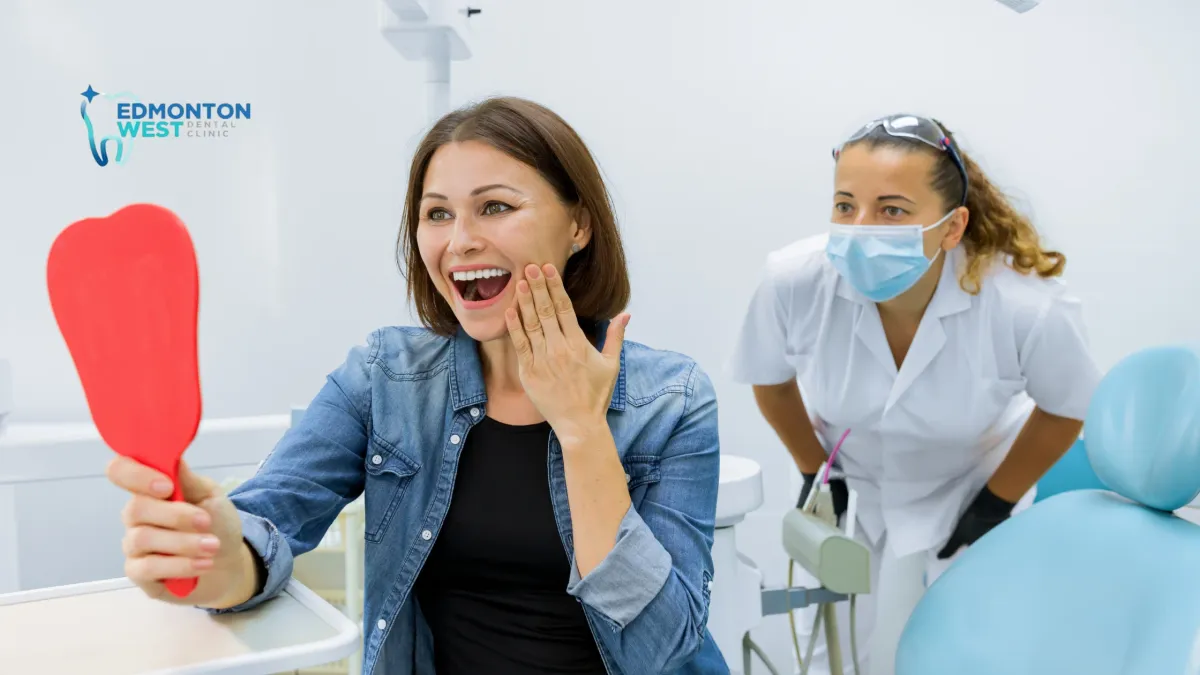
Preserving your natural teeth is essential when undergoing restorative treatment. You can protect your dental health by understanding the risks involved and following best practices during the process.
By working closely with your dentist and making informed decisions, you can minimize damage and enhance the longevity of your teeth. This guide will provide you with practical strategies to ensure your natural teeth remain as intact as possible while you achieve a healthier smile.
Key Takeaways:
- Use minimally invasive techniques to preserve as much natural tooth structure as possible during restorative procedures.
- Choose biocompatible materials that support the longevity and health of the natural teeth and surrounding tissues.
- Prioritize proper diagnostics and treatment planning to ensure that restorative work complements existing dental anatomy and function.
Understanding Restorative Treatment
A comprehensive approach to dental care, restorative treatment focuses on repairing and maintaining the health of your teeth. This practice aims to restore functionality and aesthetics while addressing any damage or decay.
By utilizing various techniques and materials, restorative treatment helps you maintain a healthy mouth and prevent further complications.
What is Restorative Dentistry?
Many people are unaware that restorative dentistry encompasses a range of procedures aimed at enhancing and restoring their oral health. From fillings and crowns to bridges and implants, each treatment is tailored to address specific issues affecting your teeth.
The goal is to reinstate your smile and overall dental health, preserving as much of your natural tooth structure as possible.
Importance of Natural Tooth Preservation
What you may not know is that preserving your natural teeth can have a significant impact on your long-term oral health. Keeping your original teeth helps maintain their natural alignment and oral functionality, reducing the need for extensive future treatments.
Additionally, natural teeth support your jawbone, helping to prevent bone loss and maintain your facial structure.
To prioritize the longevity of your smile, it’s necessary to value natural tooth preservation during restorative treatments. When you preserve your natural teeth, you minimize the risk of future complications and the need for more invasive procedures.
“Preserving your natural teeth is always our top priority. It safeguards the integrity of your jawbone, maintains proper bite alignment, and often leads to better long-term oral health compared to replacements.” – Dr. Alyssa Orobko
Maintaining the integrity of your teeth also supports the health of your jawbone and prevents issues like bone loss. By prioritizing the preservation of your teeth, you invest in your overall oral health and enhance your quality of life.
Key Factors Influencing Tooth Preservation
Even with restorative treatment, several key factors can influence your ability to preserve your natural teeth. Consider the following:
- Extent of damage
- Type of restorative material used
- Dental hygiene practices
- Age and overall health
Knowing these factors can help you make informed decisions about your dental care and enhance your tooth preservation efforts.
Extent of Damage
One of the primary considerations is the extent of the damage to your tooth. If the damage is minor, less invasive treatments may be possible, allowing for better preservation of surrounding structures. However, significant decay or trauma might necessitate more extensive intervention, impacting your overall tooth structure.
Type of Restorative Material Used
A wide variety of restorative materials is available, which can significantly impact the longevity of your teeth. Different materials, such as composite resins, ceramics, or metals, offer varied degrees of strength and aesthetics.
Each material interacts uniquely with your natural tooth structure, influencing the durability of the restoration.
Understanding the benefits of each type of restorative material for your oral health is vital. For instance, composite resins blend in well with your natural teeth and are less abrasive to the tooth structure, but they may wear out faster.
On the other hand, ceramics offer excellent durability and aesthetics, but can be more challenging to adjust. In contrast, metal materials offer exceptional strength but may not always align with your aesthetic preferences.
Ultimately, selecting the right material strikes a balance between function and appearance, significantly impacting your tooth preservation results.
“We carefully consider factors like your bite force, the location of the restoration, and your aesthetic preferences when selecting restorative materials to ensure both a beautiful and lasting outcome.” – Dr. Alyssa Orobko
How-to Tips for Preserving Natural Teeth
Many individuals strive to preserve their natural teeth while undergoing restorative treatment. To achieve this, you should:
- Practice good oral hygiene
- Follow your dentist’s instructions
- Minimize sugary foods and drinks
- Maintain regular check-ups
- Consider dental sealants when recommended
After implementing these methods, you’ll significantly enhance the longevity of your natural teeth.
Maintaining Oral Hygiene
Now is the time to prioritize oral hygiene by brushing at least twice a day and flossing daily. This consistent habit effectively removes plaque and prevents cavities, safeguarding your natural teeth during restorative procedures.
Regular Dental Check-ups
Regular dental check-ups are important for your oral health. Your dentist can identify any potential issues early, ensuring your natural teeth remain strong.
With each appointment, you are entitled to receive professional cleaning that helps prevent decay and gum disease. Additionally, early detection of any problems is vital; it allows you to address them before they escalate into serious concerns.
Staying proactive about your dental visits can significantly contribute to the overall health of your teeth, ultimately making restorative treatments more effective.
Techniques to Enhance Tooth Longevity
For optimal tooth longevity, employing advanced techniques during restorative treatments is important. These methods not only preserve your natural teeth but also enhance the overall success of your dental work.
Utilizing technologies that focus on preserving tooth structure and health ensures that your teeth remain functional and aesthetically pleasing for years to come.
Minimally Invasive Procedures
If you want to protect your natural teeth during restorative treatment, consider opting for minimally invasive procedures. These techniques aim to conserve as much healthy tooth structure as possible while effectively treating damage or decay.
This approach reduces stress on your teeth, promoting longer-lasting results and minimizing the need for extensive future interventions.
Use of Biocompatible Materials
Even the materials used in your restorative treatments can significantly impact the longevity of your teeth. By selecting biocompatible materials, you help ensure that your body reacts positively, leading to better integration with your existing dental structures.
This choice supports your overall oral health and can enhance the durability of your restorations.
Non-biocompatible or poorly chosen materials can cause long-term complications, making the selection of biocompatible materials a vital consideration. These materials are designed to work harmoniously with your natural teeth, reducing the risk of adverse reactions and enhancing the longevity of your restorations.
By prioritizing biocompatibility, you not only support your dental health but also enhance the aesthetic outcome of your treatment, enabling you to enjoy a beautiful smile for many years to come.
Post-treatment Care for Preserved Teeth
Unlike conventional restorative techniques that may compromise your natural teeth, preserving them requires diligent post-treatment care. This involves maintaining optimal oral hygiene by using a soft-bristled toothbrush and applying gentle pressure while brushing.
You should also be cautious when consuming hard or sticky foods, as your preserved teeth may still be sensitive to them. Regular dental check-ups will help ensure your teeth remain in good condition, safeguarding your investment in your oral health.
Diet and Lifestyle Changes
To maximize the longevity of your preserved teeth, consider adopting a balanced diet rich in vitamins and minerals while minimizing the consumption of sugary and acidic foods. Staying hydrated and making healthy choices can help keep your teeth strong and resilient.
It’s also important to establish regular dental hygiene habits, including flossing and using mouthwash, to further protect your oral health.
Importance of Follow-up Appointments
To maintain the health of your preserved teeth, follow-up appointments with your dentist are necessary. These visits allow your dentist to monitor the status of your restoration and address any potential issues before they become serious concerns.
With continuous professional oversight, you can enhance the effectiveness of your treatment and ensure that your teeth remain protected and functional.
Understanding the significance of follow-up appointments can have a positive impact on your dental health. These visits are an opportunity for you to discuss any discomfort or changes you may have noticed.
“Regular follow-up appointments are crucial for monitoring the health of your restored teeth and allow us to make any necessary adjustments to ensure your long-term comfort and oral health.” – Dr. Alyssa Orobko
By attending these appointments regularly, your dentist can identify potential complications early on, such as decay beneath the restoration or gum issues. Staying proactive in your dental care helps ensure that your preserved teeth remain healthy and functional for years to come.
Common Mistakes to Avoid
After undergoing restorative treatment, many patients unknowingly make mistakes that can jeopardize the health of their natural teeth. It’s vital to be aware of these pitfalls to ensure the longevity of your dental work and the preservation of your natural teeth.
By avoiding common errors, you can maintain a healthy mouth and maximize the benefits of your treatment.
Neglecting Dental Advice
Avoid disregarding the specific instructions provided by your dentist. Your oral care routine may require adjustments after treatment, and adhering to professional recommendations is crucial for preventing complications and achieving optimal results.
Overlooking Minor Issues
While it’s easy to dismiss minor dental problems, it’s essential not to overlook them. Minor issues can escalate into significant concerns if left untreated.
Early intervention not only preserves the integrity of your natural teeth but also saves you from more extensive and costly procedures down the line.
To prioritize your oral health, pay attention to any signs of discomfort or changes in your mouth. Ignoring small cavities, gum irritation, or tooth sensitivity can lead to more severe conditions, including decay or infection, that threaten your natural teeth.
Addressing these issues promptly with your dentist can help ensure your restorative treatments remain effective and that your dental health is protected over time.
Conclusion
Upon reflection, preserving your natural teeth during restorative treatment hinges on taking proactive measures, attending regular dental visits, and maintaining effective communication with your dentist. By prioritizing oral hygiene, seeking professional advice, and considering options like dental sealants and bonding, you can enhance the longevity of your natural teeth.
Ultimately, your commitment to following best practices and engaging with your dental care team will play a significant role in achieving the best possible outcomes for your oral health.
Preserving your natural teeth starts with expert care and personalized guidance. If you’re considering restorative treatment or have questions about your dental health, the team at
Edmonton West Dental is here to help. Contact us today to schedule your consultation and explore the best options for protecting and enhancing your natural smile.