
How to Choose Between a Dental Crown and a Veneer
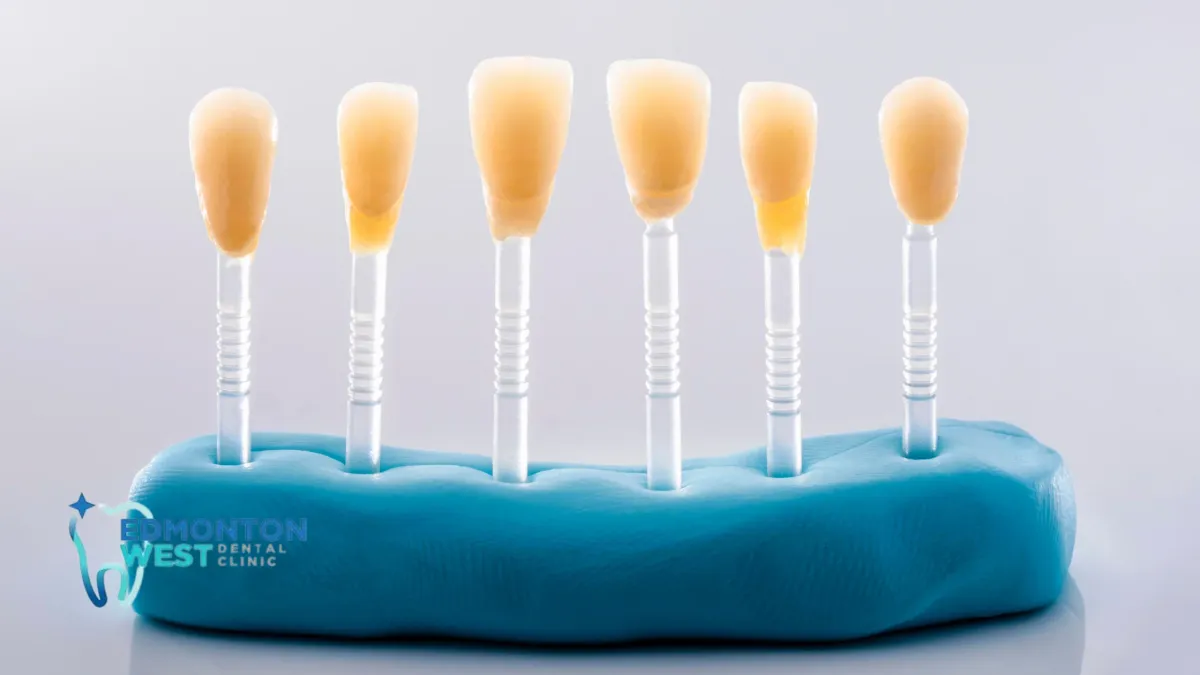
Crowns and veneers serve distinct purposes in dental restoration, and choosing between them can significantly impact your oral health and appearance. Understanding their differences is important if you’re dealing with a damaged tooth or wish to enhance your smile.
Crowns cover the entire tooth, providing strength and protection, while veneers are thin shells that primarily improve aesthetics. By evaluating factors like tooth condition, cosmetic goals, and long-term durability, you’ll be empowered to make the best decision for your dental needs.
Key Takeaways:
- Dental crowns are typically used to restore damaged or decayed teeth, providing full coverage and protection, while veneers are primarily cosmetic and ideal for enhancing the appearance of healthy teeth.
- Consider the extent of the dental issue: crowns are suited for significant structural damage, whereas veneers work best for minor imperfections like chips or discoloration.
- Consultation with a dental professional is important to assess your specific needs and determine which option will best serve your oral health and aesthetic goals.
Understanding Dental Crowns
While choosing between dental treatments, it’s vital to understand what dental crowns entail. They serve as a protective cover for damaged or decayed teeth, restoring their strength, shape, and function.
Dental crowns can also improve the appearance of your smile, making them a versatile solution in restorative dentistry.
Definition and Purpose
An oral crown, commonly known as a dental crown, is a protective cap placed over a tooth. It is designed to reinforce weakened teeth due to decay, cracks, or other damage, ensuring their longevity and functionality.
Crowns can also enhance the aesthetic appeal of your smile.
Types of Dental Crowns
The various types of dental crowns cater to different needs and circumstances. Here are the main types of crowns you might consider:
| Material | Description |
| Porcelain | The natural appearance is ideal for front teeth. |
| Ceramic | It is durable and provides a natural look. |
| Metal | Highly durable, mostly used on back teeth. |
| Resin | The product is less expensive but can wear down over time. |
Knowing the differences in materials helps you choose the right type of crown based on your situation. Each material has its benefits and drawbacks, making your selection based on factors like location, function, and aesthetic preference important.
More Info About Types of Dental Crowns
For instance, if you’re concerned about aesthetics, porcelain or ceramic crowns may be your best bet, as they blend well with natural teeth. Metal crowns are excellent for durability, though they lack the natural look, making them more suitable for molars.
If you’re interested in a budget-friendly option, resin crowns can be a viable choice, but they may require more frequent replacement due to wear and tear.
| Benefit | Consideration |
| Aesthetics | Porcelain crowns offer a natural look. |
| Durability | Metal crowns are the strongest option. |
| Cost | Resin crowns are typically less expensive. |
| Longevity | Ceramic crowns may require replacement sooner. |
Knowing the right type of dental crown for your needs can significantly influence your treatment success and satisfaction.
Understanding Veneers
The purpose of dental veneers is to enhance your smile by covering imperfections on your teeth. These thin, custom-made shells are typically made of porcelain or composite resin and are adhered to the front surface of your teeth to improve aesthetics.
Veneers can address issues such as discoloration, chips, gaps, and misalignment, providing a natural and attractive appearance.
Definition and Purpose
With the increasing demand for aesthetic dental treatments, veneers stand out as a popular choice for enhancing your smile. They serve to correct various dental issues, allowing you to achieve a more uniform and attractive appearance.
Types of Veneers
Clearly, there are different types of veneers available to suit your specific needs. Here are the main types:
| Porcelain Veneers | They are known for their durability and natural appearance. |
| Composite Resin Veneers | The product is more affordable and requires less enamel removal. |
| Lumineers | The procedure is ultra-thin and reversible, requiring minimal tooth alteration. |
| Snap-On Veneers | This type of implant is a removable and non-invasive option for temporary use. |
| Minimal Prep Veneers | It requires very little tooth preparation. |
Any choice you make in veneers should align with your cosmetic goals and dental health.
Understanding the types of veneers available can guide your decision-making process. Each type has unique characteristics that may suit different preferences and situations.
You should consider factors like desired longevity and visual appeal before making a final choice.
| Durability | Porcelain veneers tend to last longer than composites. |
| Cost | Composite options are often more budget-friendly. |
| Appearance | Porcelain mimics the light-reflecting properties of natural teeth. |
| Procedure Time | Composite can often be applied in one visit. |
| Reversibility | Lumineers are generally considered reversible. |
Any selection should be informed by consultation with your dentist, prioritizing both functionality and aesthetics.
How to Choose Between a Crown and a Veneer
All dental restorations have specific purposes, and choosing between a dental crown and a veneer can impact your oral health and aesthetic goals. Before making a decision, consider factors such as the extent of damage to your tooth, desired appearance, and overall oral health.
Consult your dentist to evaluate these key considerations:
- Extent of tooth damage
- Cosmetic goals
- Longevity
- Cost
- Comfort
Perceiving the differences can guide you toward the best solution for your dental needs.
Personal Oral Health Assessment
Even if you have a specific procedure in mind, your unique oral health status will largely influence the best choice for you. Factors like tooth condition, gum health, and bite alignment play a significant role in determining whether a crown or a veneer is more appropriate for your situation.
With an honest assessment of your oral health, you can identify any underlying issues that may affect your choice. For instance, if your tooth has experienced severe decay or trauma, a crown may provide the necessary protection and support. On the other hand,
If you are primarily seeking a cosmetic enhancement for minor imperfections, veneers can offer a less invasive approach to achieving a brilliant smile. Ultimately, creating a plan with your dentist will ensure you’re well-equipped to make an informed decision that aligns with your overall oral health.
Tips for Making an Informed Decision
Keep these tips in mind when choosing between a dental crown and a veneer:
- Assess your dental health and needs.
- Consider the aesthetics you desire.
- Discuss potential lifestyle changes.
- Evaluate the longevity of each option.
Any decision made will be best informed by understanding the implications of both treatments.
Consultation with Your Dentist
Now is the perfect time to book a consultation with your dentist. They can provide personalized insights based on your oral health and aesthetic goals.
Openly discussing your concerns and preferences will boost your decision-making confidence. Discuss the advantages and disadvantages of dental crowns versus veneers to determine the right fit for your unique situation.
Evaluating Costs and Longevity
Costs for dental crowns and veneers can vary significantly based on the materials used and your specific dental needs. While veneers may be less expensive upfront, crowns often offer greater durability.
To make your decision, factor in not just the initial cost but also how long each treatment will last under your typical oral care routine.
Longevity is a key factor in your decision-making process. Dental crowns can last between 10 and 15 years, making them a durable choice, especially for teeth that require significant protection.
On the other hand, veneers may only last 5 to 10 years, as they are more susceptible to chipping or wear. While veneers may initially provide a more aesthetic appeal, they might necessitate earlier replacement, increasing the total investment over time.
Understanding these timelines can help you choose effectively between your options.
Advantages and Disadvantages
Unlike veneers, dental crowns offer a more comprehensive solution for severely damaged or weakened teeth. While both options can enhance your smile, each has its unique set of advantages and disadvantages that you should consider carefully based on your dental needs and goals.
Pros and Cons of Dental Crowns
Now, let’s break down the pros and cons of dental crowns:
| Pros | Cons |
| Provides strong support for damaged teeth | More invasive procedure requiring tooth reduction |
| Lasts longer than veneers | Potential for discomfort after placement |
| Works well for functional and aesthetic purposes | May require replacement after several years |
| Available in various materials (ceramic, gold, etc.) | It can be more expensive |
| Can improve bite alignment | It can affect adjacent teeth if misaligned |
Pros and Cons of Veneers
For a different approach, consider the pros and cons of veneers:
| Pros | Cons |
| Minimally invasive procedure | Not suitable for severely damaged teeth |
| Highly aesthetic and natural-looking results | Less durable than crowns |
| Quick procedure with less recovery time | Requires a dental visit for placement |
| Can rectify minor alignment issues | May stain over time |
| Customizable in color and shape | Generally not covered by insurance |
Dental veneers provide a cosmetic enhancement with less tooth alteration. They are ideal for addressing issues like minor chips or gaps, giving you a brighter and more uniform smile.
However, they are not a remedy for structural problems and may not last as long as dental crowns. Always consult your dentist to determine which option best suits your individual needs and dental health.
Common Questions and Answers
Not every dental issue requires a crown or veneer, and knowing the difference can help you make an informed choice. Crowns are often preferable for significant structural damage or decay, while veneers excel in enhancing aesthetics when you want to improve the appearance of your smile.
Always consult your dentist to explore the best option based on your unique dental needs.
Durability Comparison
On average, crowns offer greater durability than veneers due to their ability to withstand significant force. Below is a comparison based on their lifespan and resistance:
| Crowns | Veneers |
| 10-15 years | 5-10 years |
| Highly resistant to fractures | More prone to chips |
Aesthetic Considerations
A comparison of both options reveals distinct aesthetic benefits. Crowns tend to be thicker and can cover significant imperfections, while veneers are designed to enhance the natural appearance of teeth.
This trait makes veneers excellent for minor corrections, providing a seamless, natural look.
The choice between crowns and veneers can greatly affect the appearance of your smile. Due to their strength, crowns may be your best option if they best suit your needs and you need to conceal large areas of damage.
However, if you desire minimal treatment with a focus on enhancing your teeth’s natural beauty, veneers could be the ideal choice. Ultimately, consulting your dentist will help you weigh the benefits and drawbacks of finding what suits your needs best.
Conclusion
Summing up, choosing between a dental crown and a veneer depends on your individual dental needs. If you require more extensive coverage due to damage or decay, a crown is likely your best option.
However, if you’re looking to enhance the appearance of minor imperfections in your front teeth, veneers may be more appropriate. Consider consulting your dentist, who can provide tailored advice based on your teeth’s condition and desired outcome, ensuring that you make an informed decision best suited for your oral health.
If you’re not sure if a dental crown or veneer is best for you, we can assist! Contacting Edmonton West Dental is the first step toward a healthier, more beautiful smile. Contact us today to schedule your consultation. Allow our skilled team to provide you with the professional care and individualized attention you deserve. Don’t wait any longer—your ideal smile is only one consultation away!