
How to Address Crowded Teeth in Early Childhood
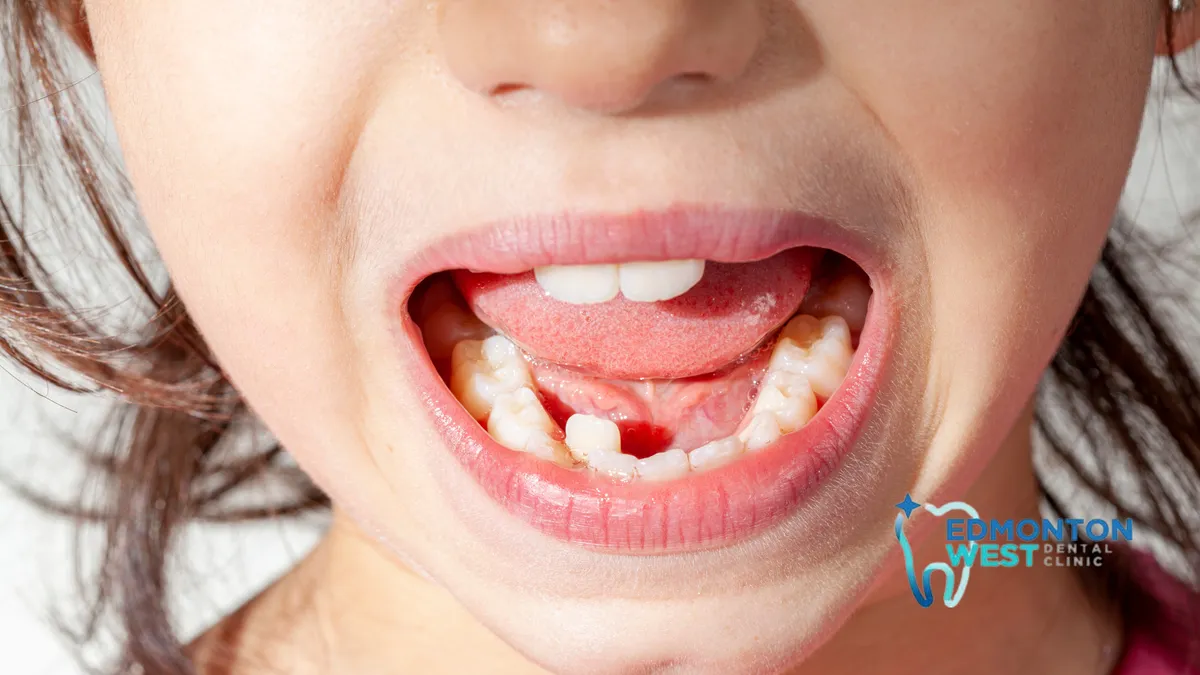
It’s natural for parents to worry about their child’s teeth as they grow, especially when they notice crowded teeth. Crowded teeth can make it difficult for kids to keep their teeth clean, which can lead to other dental problems down the line.
The good news is that there are steps you can take to address crowded teeth early on. In this article, we’ll cover why crowded teeth happen, what signs to look for, and how you can help guide your child toward a healthier smile.
What Are Crowded Teeth and Why Do They Happen?
Crowded teeth occur when there isn’t enough space in a child’s mouth for all of their teeth to come in properly. This can cause teeth to overlap, twist, or grow in at odd angles.
Crowding can happen for several reasons, such as:
- Genetics: If you or your partner had crowded teeth as a child, there’s a chance your child might too.
- Early Tooth Loss: Losing baby teeth too early can lead to shifting the surrounding teeth, leaving less room for adult teeth.
- Thumb Sucking or Pacifier Use: Prolonged thumb sucking or pacifier use can affect the alignment of your child’s teeth and lead to crowding.
- Jaw Size: Sometimes, a child’s jaw may be too small to accommodate all of their teeth, which leads to crowding.
Understanding why your child has crowded teeth can help you decide on the best course of action to improve their dental health.
Signs of Crowded Teeth in Children
You can often identify crowding even before your child’s permanent teeth erupt. Here are some signs to look out for:
- Overlapping Teeth: Baby teeth or new adult teeth that overlap each other.
- Difficulty Flossing: If your child finds it challenging to fit dental floss between their teeth, it might be due to crowding.
- Misaligned Bite: Improper spacing of the teeth can lead to a misaligned bite.
- Teeth Emerging at Odd Angles: Teeth that emerge at an unusual angle may indicate a lack of available space.
If you notice any of these signs, it’s a good idea to schedule an appointment with your child’s dentist to discuss possible solutions.
How to Address Crowded Teeth in Early Childhood
It is easier to guide your child’s dental development if you address crowded teeth early. Here are some effective ways to address crowded teeth:
Regular Dental Checkups
Scheduling regular dental checkups is one of the best things you can do for your child’s oral health. A pediatric dentist can monitor your child’s teeth as they grow and identify any potential crowding issues early on.
Early detection can make treatment easier and more effective.
Orthodontic Evaluation
Children can undergo their initial orthodontic assessment at the age of seven. At this developmental stage, a dentist or orthodontist can identify dental crowding and determine the necessity of early intervention, such as space maintainers or braces.
Space Maintainers
If your child loses a baby tooth early, a space maintainer may be recommended. This is a simple device that keeps the gap open, allowing the adult tooth to come in properly and preventing surrounding teeth from shifting into the space.
Early Orthodontic Treatment
Early orthodontic treatment, such as braces or expanders, may be necessary in certain cases. An expander can help widen your child’s jaw to create more space for their teeth, while braces can help align teeth that have already become crowded.
Avoid Prolonged Thumb Sucking or Pacifier Use
Prolonged thumb sucking or pacifier use can impact the alignment of teeth. Encourage your child to stop these habits by age three to help prevent alignment issues, including crowding.
Healthy Habits for Strong Teeth
Encouraging positive dental habits can also make a difference in managing crowded teeth. Make sure your child:
- Brush Twice a Day: Regular brushing helps keep teeth healthy and strong, making future orthodontic treatment more effective.
- Flosses Daily: Flossing can help prevent issues that crowded teeth can cause, such as gum disease or cavities between tight spaces.
- Maintaining a Healthy Diet: A diet rich in vitamins and minerals helps promote proper dental development, which can aid in reducing crowding.
Statistics on Crowded Teeth in Children
- The American Association of Orthodontists (AAO) advises that a child’s first orthodontic evaluation should occur upon the identification of an orthodontic issue, but not later than the age of 7. Why the age of seven? At that point, your child possesses sufficient permanent teeth for an orthodontist to assess the evolving dentition and jaws, thereby yielding extensive insights.
- Studies show that early orthodontic intervention can significantly reduce the need for more extensive treatment later on, making early detection key to successful outcomes.
When to See an Orthodontist
If you notice that your child’s teeth are becoming crowded or if they have difficulty chewing or speaking clearly, it’s time to see an orthodontist. Early intervention can make a big difference in reducing the need for more complex treatment in the future.
Take Action for Your Child’s Healthy Smile
Addressing crowded teeth early in childhood can set the stage for a lifetime of healthy smiles. By visiting the dentist regularly, monitoring your child’s dental development, and taking action when needed, you can help your child avoid more complex issues later in life.
If you’re concerned about your child’s crowded teeth or would like to schedule an orthodontic evaluation, contact us today. Our caring dental team is here to help guide you and your child every step of the way toward a healthy, beautiful smile.