How Malocclusion Affects Speech in Adults and Kids
Understanding malocclusion helps highlight its significant impact on speech development in both adults and children. This dental misalignment can lead to difficulties in enunciation, unwanted speech patterns, and even self-esteem issues due to issues with pronunciation and clarity.
Addressing malocclusion is crucial, as it can improve not just your oral health but also enhance your communication skills and confidence. In this post, you’ll learn how malocclusion manifests and effective treatments to help you or your child achieve clearer speech.
Key Takeaways:
- Malocclusion can lead to difficulties in articulation, affecting the clarity of speech in both adults and children.
- Misaligned teeth and jaws may cause specific speech impediments, such as lisping or difficulty pronouncing certain consonants.
- Early intervention and treatment, including orthodontics, can help improve speech outcomes and overall communication abilities.
Understanding Malocclusion
Your understanding of malocclusion is crucial in recognizing its impact on speech development and overall oral health. Malocclusion refers to incorrect alignment of the teeth and jaws, which can lead to various dental issues and speech problems.
By having a firm grasp on its definition and types, you’ll be better equipped to identify potential concerns.
Definition and Types
Your exploration of the definition and types of malocclusion can help you appreciate its complexity:
| Definition | Malocclusion refers to the misalignment of the teeth and jaws. |
| Class I | Normal bite with some misaligned teeth. |
| Class II | An overbite is a condition where the upper teeth and jaw significantly overlap the lower teeth and jaw. |
| Class III | A condition where the lower teeth and jaw protrude beyond the upper teeth and jaw, commonly referred to as an underbite. |
| Open Bite | Space between the upper and lower teeth when biting. |
The impact of malocclusion on both children and adults can lead to significant challenges, especially in speech articulation.
Causes of Malocclusion
Malocclusion has multiple causes, both genetic and environmental, and therefore deserves attention. These may include inherited traits, thumb sucking, or early loss of baby teeth.
For instance, genetic factors can contribute significantly to malocclusion. If one or both of your parents had alignment issues, you may also face similar challenges.
Other causes such as thumb sucking, pacifier use, or severe injuries can lead to shifts in teeth alignment. Additionally, poor oral habits and improper dental care can exacerbate alignment issues.
Understanding these factors can lead to proactive measures in maintaining healthy oral positioning.
“Early intervention is key, particularly with habits like thumb-sucking. We can provide guidance and appliances to help break these habits and minimize their impact on developing teeth and jaws.” – Dr. Alyssa Orobko
Impact of Malocclusion on Speech
Assuming you have malocclusion, it can significantly disrupt your speech clarity and articulation. Misaligned teeth may cause difficulties in forming specific sounds, leading to slurred speech or mispronunciations.
This misalignment not only affects your ability to communicate effectively but can also have a profound impact on your confidence when speaking in social or professional settings.
Speech Development in Children
After you observe your child struggling with their speech, it’s essential to consider how malocclusion may be a contributing factor. Children with misaligned teeth may struggle to pronounce certain sounds, which can hinder their development of communication skills.
Early intervention—often between the ages of 7 and 9—can help ensure that children develop proper speech patterns, especially when coordinated between an orthodontist and a speech-language pathologist.
Speech Challenges in Adults
Many adults with untreated malocclusion experience ongoing speech difficulties, which can be improved with modern dental and speech therapy interventions. Misalignment can hinder your ability to articulate sounds clearly, potentially impacting your social interactions and professional opportunities.
However, it is essential to be aware that these speech challenges can have a profound impact on your daily life. Beyond the frustration of mispronouncing words, malocclusion can lead to diminished self-esteem and anxiety during conversations.
“The impact of malocclusion extends beyond just speech mechanics. It can significantly affect self-confidence and social interactions, making comprehensive treatment essential for overall well-being.” – Dr. Alyssa Orobko
It’s vital to seek help; corrective dental treatments can enhance not only your speech but your overall quality of life. Addressing malocclusion not only improves your communication skills but also your confidence in every interaction.
Everyday Speech Issues Linked to Malocclusion
Once again, malocclusion can lead to several speech issues that impact both adults and children. Misaligned teeth can create difficulties in forming specific sounds, leading to unclear or distorted speech.
These challenges not only affect your ability to communicate effectively but can also impact your confidence and social interactions. Understanding the relationship between malocclusion and speech can help you identify and address these issues appropriately.
Articulation Problems
In addition to affecting speech clarity, malocclusion can lead to articulation problems, including difficulty pronouncing certain consonants or vowels. This occurs because misalignment may impede the movement and positioning of your tongue necessary for forming sounds accurately.
You may notice that certain words come out muffled or slurred, which can lead to frustration and misunderstandings during conversations.
Resonance and Pronunciation
Pronunciation also suffers as malocclusion affects how sound resonates in your mouth. An improper bite can alter the airflow through the vocal tract, leading to nasal or distorted speech patterns.
This misalignment prevents you from producing clear sounds, making it hard for others to understand you.
Understanding how your teeth position influences sound production is vital for tackling speech challenges related to malocclusion. In rare cases, severe malocclusion may affect speech resonance, but hypernasality and hyponasality are more commonly associated with issues involving the soft palate or velopharyngeal area.
By addressing malocclusion through dental intervention, you can improve your pronunciation and enhance your overall communication skills, significantly benefiting your personal and professional life.
Treatment Options for Malocclusion
After identifying malocclusion, several effective treatment options are available to improve both your dental alignment and speech. These solutions not only focus on correcting teeth positioning but also address any related speech difficulties.
It’s crucial to consult a dental professional to assess your specific situation and determine the best course of action for you or your child.
Orthodontic Solutions
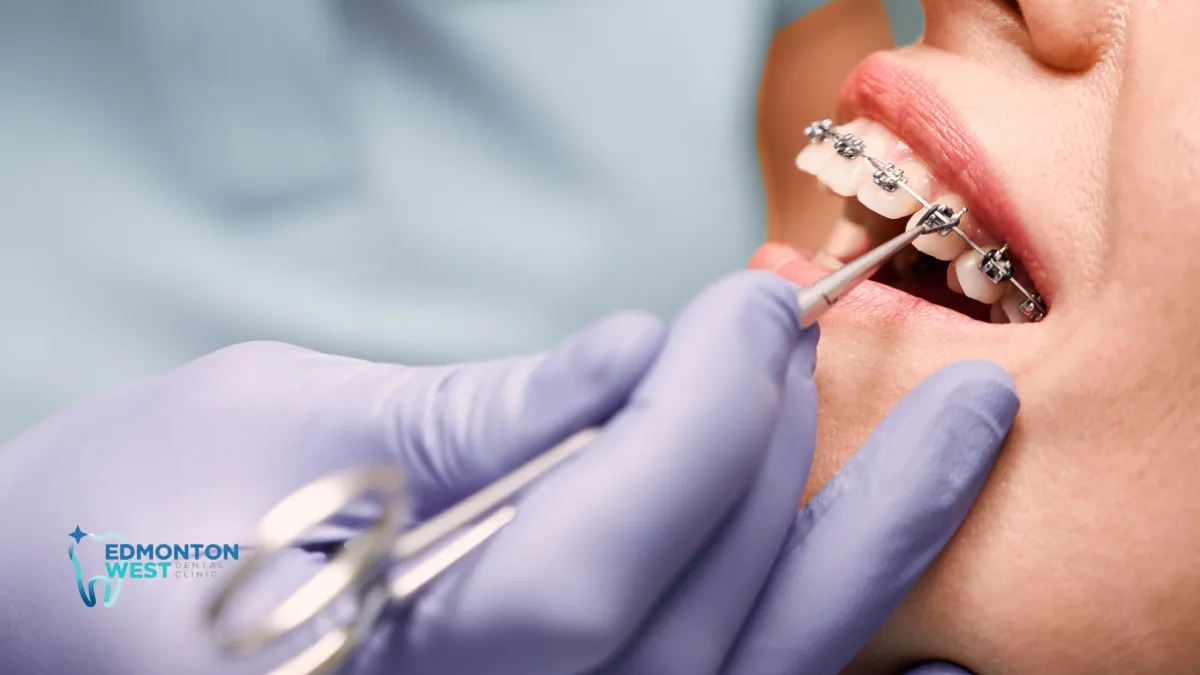
Effective treatment for malocclusion often involves orthodontic solutions such as braces and aligners. These treatments work to straighten your teeth and correct bite issues over time, significantly improving both facial aesthetics and speech clarity.
Collaborating closely with an orthodontist will help you choose the right option tailored to your individual dental needs.
Speech Therapy Interventions
Orthodontic treatment may not address all speech issues related to malocclusion, which is where speech therapy can be beneficial. This intervention helps you or your child practice sounds, perfect articulation, and improve overall communication skills.
“We often recommend a combined approach using orthodontics and speech therapy for the best results. This collaborative approach ensures both the physical alignment and functional speech skills are addressed.” – Dr. Alyssa Orobko
Frequent collaboration with a speech-language pathologist can pinpoint and tackle specific speech challenges stemming from bite problems, leading to meaningful improvements in your speech quality over time.
Understanding the interaction between malocclusion and speech development is vital for effective treatment. Speech therapy interventions aim to enhance your verbal skills through tailored exercises that foster better articulation and voice clarity.
You may engage in practice drills that target specific sounds affected by dental misalignment, offering a comprehensive approach to tackling your communication challenges. Incorporating this therapy alongside orthodontic treatments can lead to substantial long-term benefits, ensuring you speak with confidence.
The Role of Early Detection
Failing to address malocclusion early can lead to a series of speech challenges in both children and adults. The alignment of your teeth plays a significant role in the clarity of your speech, and delayed intervention can result in long-term difficulties.
Detecting malocclusion early allows for timely treatment options that may help prevent further complications, ensuring that your speech remains clear and compelling over time.
Importance of Regular Dental Check-Ups
Against the backdrop of busy schedules, prioritizing regular dental check-ups is essential for maintaining good oral health. Regular visits not only help monitor your teeth’s alignment but also enable the early detection of potential speech-related issues stemming from malocclusion.
Staying proactive in your dental health will significantly reduce the chances of developing speech difficulties later on.
Identifying Signs of Malocclusion
Early intervention relies heavily on your ability to spot the signs of malocclusion. Recognizing the subtle indications can lead you to seek appropriate guidance and treatment.
Dental professionals recommend that you pay close attention to symptoms such as difficulty pronouncing certain sounds, frequent biting of the tongue or cheeks, and uneven spacing of your teeth. These signs may indicate malocclusion, which can interfere with your speech clarity.
Ignoring these warning signs can result in further complications, affecting not only your speech but also your overall confidence. By being vigilant, you empower yourself to take action and consult with a dental expert for practical solutions.
Early detection can make a significant difference in managing potential speech issues and achieving optimal oral health.
Personal Accounts and Case Studies
Many individuals with malocclusion report significant impacts on their speech. Here are some illustrative case studies:
- Case Study 1: A 10-year-old boy with an overbite exhibited difficulty pronouncing sibilant sounds like /s/ and /z/, as documented in a speech-language evaluation.
- Case Study 2: A 12-year-old girl with a crossbite faced challenges with articulation, leading to a peer bullying incident.
- Case Study 3: A 28-year-old man with severe crowding experienced a 75% improvement in speech clarity after undergoing orthodontic treatment.
Children’s Experiences
Along your child’s speech development journey, you may notice that malocclusion can affect their confidence and communication skills. Many children report feeling frustrated when trying to pronounce certain words, which can hinder their social interactions and classroom participation.
Adults’ Journey to Improved Speech
For adults, addressing malocclusion can lead to significant improvements in speech. Many adults experience long-standing speech issues due to misalignment, which can often lead to self-consciousness.
A comprehensive approach is vital for your journey towards improved speech. You might undergo various treatments such as braces, aligners, or even surgical options.
Studies suggest that orthodontic interventions can lead to noticeable improvements in speech clarity for individuals with malocclusion-related speech issues. However, the extent of improvement varies depending on the type and severity of the malocclusion.
Conclusion
Drawing together the insights on how malocclusion affects speech in adults and kids, you may find that misalignment of your teeth can lead to challenges in pronunciation and verbal communication. These issues can impact your confidence and interactions with others.
Understanding the relationship between your dental alignment and speech clarity can motivate you to seek appropriate dental advice or treatment. By addressing malocclusion, you can not only improve your speech but also enhance your overall quality of life.
If you or your child is experiencing speech difficulties due to misaligned teeth, don’t wait to seek help. At Edmonton West Dental, our experienced team can assess your unique needs and recommend the best orthodontic or dental treatment options.
Contact us today to schedule a consultation and discover how we can help enhance both your oral health and your confidence.
Reviewed by: Dr. Alyssa Orobko