
How to Care for Composite vs. Amalgam Fillings
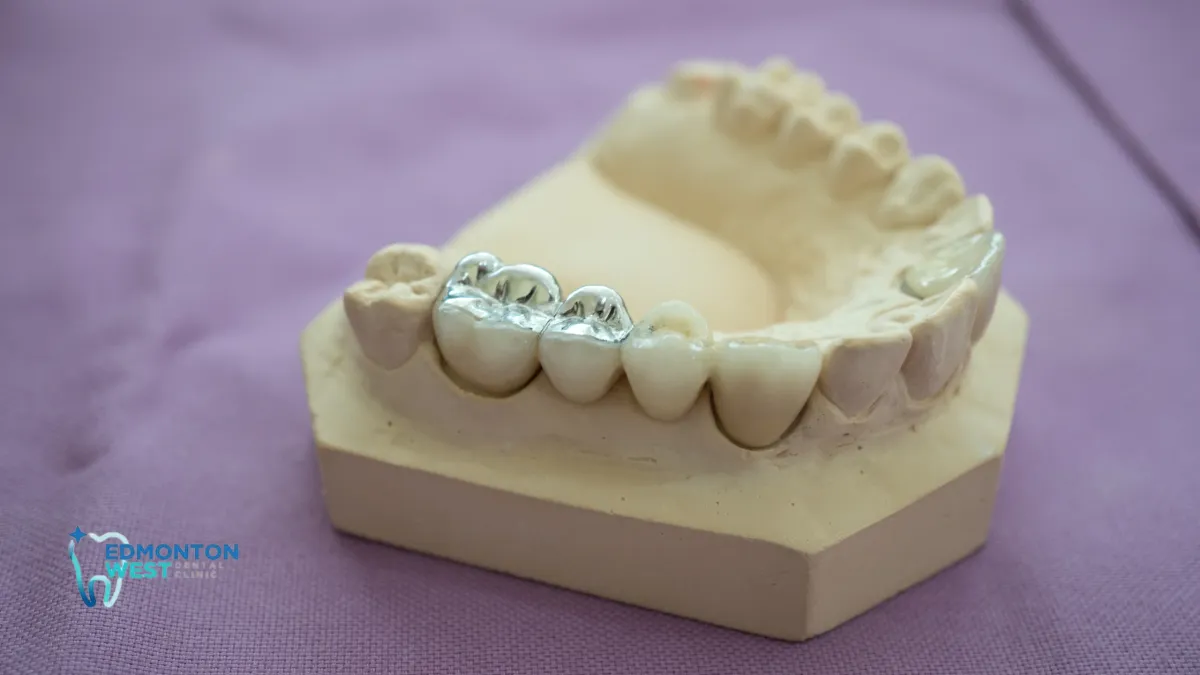
Over time, your dental fillings can experience wear and tear, making it important for you to know the best ways to care for them. Understanding the differences between composite and amalgam fillings can help you tailor your dental hygiene routine to keep your smile healthy.
In this post, you’ll learn effective tips on how to maintain both types of fillings, ensuring their longevity and your overall oral health. Let’s examine the best strategies for caring for your fillings.
Key Takeaways:
- Composite fillings offer a natural tooth-coloured appearance but are more susceptible to stain and wear, requiring careful oral hygiene. Amalgam fillings are highly durable and generally recommended for molars or larger cavities where chewing forces are stronger.
- Proper daily hygiene and mindful dietary choices help extend the life of both composite and amalgam fillings and protect overall oral health.
- Regular dental check-ups are essential to detect early signs of wear and address issues before they worsen, ensuring lasting dental restoration.
Decoding Material Properties: Composite vs. Amalgam
Understanding the differences between composite and amalgam fillings helps you make informed choices about dental care. Composite fillings are made from a mixture of plastic resin and finely ground glass particles, which bond chemically to the tooth structure and can be shaded to match the natural tooth.
“Selecting the right filling isn’t just about durability or aesthetics—it’s also about choosing a material that aligns with your unique oral health needs and personal preferences.” – Dr. Alyssa Orobko, Dentist in, Edmonton, AB
Amalgam, composed of various metals such as silver, tin, and mercury, is known for its strength and longevity. Each material’s properties can significantly impact your dental health and aesthetic preferences.
Strength and Durability Comparison
Material Properties Comparison
| Property | Composite Fillings |
| Strength | Moderate; suitable for small to mid-sized fillings |
| Durability | Typically 5–7 years; may last longer with excellent care |
| Property | Amalgam Fillings |
| Strength | High; excellent for larger fillings |
| Durability | Typically 10–15 years; often lasts over 15 years |
Aesthetic Appeal: How Appearance Plays a Role
Aesthetic considerations significantly influence your choice between composite and amalgam fillings. Composite fillings closely match the color of your natural teeth, making them an appealing option for visible areas.
In contrast, amalgam’s metallic appearance can be less desirable, particularly for those wanting a seamless smile. While amalgam offers superior durability, its metallic appearance may not be ideal for patients concerned with aesthetics, particularly in visible areas of the mouth.
This aspect becomes particularly relevant when considering fillings in visible areas of your mouth, such as the front teeth. In these instances, opting for composite materials improves your smile and ensures that your dental work remains discreet.
Many patients prioritize natural aesthetics, particularly in social situations or professional environments, where a smile can significantly impact first impressions.
Navigating the Maintenance Landscape: Daily Care Essentials
Daily care for both composite and amalgam fillings can enhance their lifespan and maintain your oral health. Regular brushing and flossing play vital roles in eliminating plaque and preventing decay around these fillings.
“Think of your fillings as part of a team effort—daily care on your part and routine dental visits complete the partnership to keep your smile healthy and resilient.” – Dr. Alyssa Orobko, Dentist in, Edmonton, AB
Additionally, scheduling routine dentist visits for cleanings will ensure any potential issues are addressed early. By actively engaging in a proper dental hygiene routine, you can significantly boost the durability of your fillings while protecting your overall dental well-being.
Specific Hygiene Techniques for Composite Fillings
With composite fillings, use a soft-bristled toothbrush to gently clean around the filling. Opt for fluoride toothpaste to strengthen enamel and consider interdental brushes to remove food particles effectively.
Avoid abrasive pastes that can dull the surface, preserving the aesthetic of your filling. Rinsing occasionally with an alcohol-free, antibacterial mouthwash can help reduce bacterial load, supporting gum and tooth health.
Best Practices for Amalgam Filling Maintenance
Amalgam fillings require straightforward maintenance, mainly through diligent brushing and flossing. A soft-bristled toothbrush and fluoride toothpaste are ideal, as they help prevent plaque buildup and surrounding tooth decay.
Be mindful of hard foods; excessive force can damage both the filling and natural teeth. Regular dental check-ups facilitate early identification of wear or potential complications, ensuring that your amalgam fillings remain effective for years.
Additionally, chewing on hard objects or ice should be avoided, as they can lead to cracks or fractures in amalgam fillings. Consider using a mouthguard if you grind your teeth, as it minimizes stress on your fillings.
Your dentist may recommend a custom night guard if bruxism (teeth grinding) is diagnosed to protect both natural teeth and fillings.
Staying hydrated, particularly after meals, can help wash away food particles and bacteria, further promoting the longevity of your amalgam fillings. Your efforts in maintaining oral hygiene preserve these fillings and nurture your overall dental health.
The Impact of Dietary Choices: What to Avoid for Longevity
Your dietary choices play a significant role in the longevity of your dental fillings, influencing both their durability and your overall oral health. Avoiding certain foods and beverages is vital to maintaining the integrity of your composite or amalgam fillings.
Consuming high-sugar foods and highly acidic beverages can hasten the deterioration of your fillings, thereby increasing the risk of future dental issues. Being mindful about what you eat helps prolong the life of your dental work and enhances your oral health.
Foods and Beverages that Wreak Havoc on Fillings
Frequently consuming highly acidic items such as citrus fruits, vinegar-based foods, or carbonated drinks can gradually erode enamel and weaken the margins of your fillings. Additionally, sticky foods like caramel can adhere to fillings, causing them to loosen over time.
It’s not just about what you eat; the frequency of consumption also matters. Constant snacking on these items can keep your mouth in a state of decay, increasing the risk of complications.
Preventative Measures through Smart Eating Habits
Incorporating smart eating habits can significantly enhance the lifespan of your dental fillings. Opting for a balanced diet rich in vitamins and minerals helps strengthen your teeth while reducing the risk of cavities.
Foods high in calcium, such as dairy products and leafy greens, support tooth structure, while fiber-rich fruits and vegetables can naturally clean your teeth as you chew. Planning your meals around these principles not only aids dental health but also contributes to overall wellness.
Consider opting for whole foods over processed items, as this switch typically means lower sugar and additive content.
Incorporating crunchy vegetables and fruits can provide that additional cleaning effect for your teeth. Additionally, drinking water throughout the day serves to wash away food debris and keeps your mouth hydrated, lessening the harmful impact of acidic beverages.
This proactive approach to nutrition can significantly impact the longevity of your fillings.
Knowing When to Seek Professional Attention: Red Flags to Watch For
Pay close attention to any signs that may indicate your fillings require professional attention. Watch for staining (more common with composite), marginal gaps, or discoloration in the tooth near amalgam fillings, which may indicate corrosion or leakage.
Unusual sensitivity to hot or cold temperatures and any material falling out are also red flags. Addressing these concerns promptly can prevent further damage and ensure that your oral health remains intact.
Signs of Wear and Tear: Early Intervention is Key
Regularly inspect your fillings for signs of wear and tear, as early intervention can prevent more extensive procedures in the future. You might notice changes such as rough edges, discoloration, or increasing sensitivity when chewing.
Addressing these issues as soon as they arise often results in less invasive treatments, allowing you to maintain both your dental health and your smile.
The Importance of Regular Check-ups and Professional Cleanings
Regular check-ups and professional cleanings are vital for maintaining the health of your fillings. These visits allow your dentist to assess the condition of your fillings and surrounding teeth, identifying potential problems before they escalate.
Additionally, professional cleanings help remove plaque and tartar that can lead to further decay, ensuring that your fillings stay intact and functional for years to come. Your dentist may also provide guidance tailored to your specific dental needs, reinforcing good habits that contribute to long-lasting dental work.
During your check-ups, your dentist will closely monitor the integrity of both composite and amalgam fillings. They may employ digital imaging or other diagnostic tools to identify potential issues, like small cracks or wear, that you might not be able to perceive or feel.
This proactive approach helps preserve your fillings and promotes overall dental health. Most patients benefit from dental check-ups every six months, but your dentist may recommend a personalized schedule based on your oral health condition, as per the Canadian Dental Association.
Future Innovations in Dental Fillings: What Lies Ahead
Advancements in dental technology continue to pave the way for improved fillings. With ongoing research into bioactive materials and self-healing composites, the future looks promising.
“The future of dental care is increasingly patient-focused, with new materials designed not only to repair damage but also to actively protect and strengthen your teeth long-term.” – Dr. Alyssa Orobko, Dentist in, Edmonton, AB
These innovations aim to enhance durability and aesthetics, ensuring that your dental work blends seamlessly with your natural teeth while providing long-lasting results.
Advancements in Composite and Amalgam Technology
Recent breakthroughs in composite and amalgam technology focus on increasing strength and reducing wear. New composite resins incorporate nanoparticles that enhance their wear resistance and bond strength. Modern amalgams are formulated to minimize mercury vapor release and improve longevity while remaining safe and effective when used appropriately.
These enhancements offer patients both safety and satisfaction with their dental work.
The Role of Patient Feedback in Shaping Future Options
Your experiences and preferences play a vital role in how dental materials evolve. Dentists and manufacturers increasingly rely on patient feedback to identify pain points, desired aesthetics, and comfort levels.
Surveys and consultations, along with real-world experiences, drive innovation, allowing new materials and techniques to better meet your needs and expectations.
Understanding patient feedback often leads to substantial changes in dental filling options. For instance, if many patients express concerns about sensitivity with specific materials, researchers might prioritize developing less reactive composites.
By actively engaging with you through focus groups or feedback platforms, dental professionals can better tailor treatments, ensuring they not only fulfill clinical requirements but also enhance your comfort and overall dental experience.
Conclusion
In summary, caring for your composite and amalgam fillings involves understanding the specific needs of each type. For both, maintain a thorough oral hygiene routine, but be mindful of the ongoing care that composites might require, as they can be more susceptible to staining and wear.
Regular dental check-ups will help ensure the longevity of your fillings. By following these guidelines, you can effectively prolong the life of your dental work and maintain optimal oral health.
Schedule Your Dental Filling Checkup Today
Whether you have composite or amalgam fillings, regular checkups are essential for maintaining your oral health. At Edmonton West Dental Clinic, we offer personalized care and guidance to help you preserve your restorations for the long term. Visit us at Chief Lapotac Blvd NW, Edmonton, AB, or contact us online to book your appointment today. Your smile deserves the best care!
Reviewed by: Dr. Alyssa Orobko